
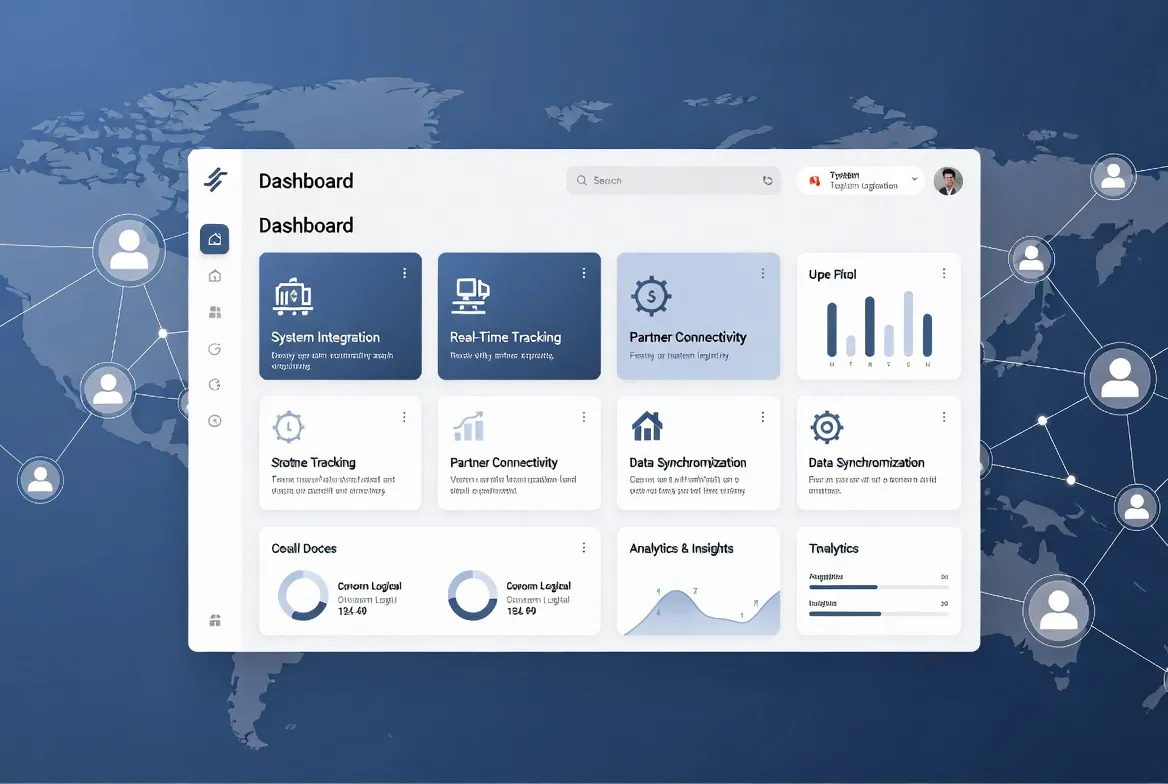
 Key Capabilities of Global Logistics Technology Networks Solutions
Global logistics operations rely on complex networks that span multiple countries, transportation modes, and service providers. Managing these networks efficiently requires more than isolated systems—it requires interconnected technology networks that can coordinate data, workflows, and stakeholders at scale.
Key Capabilities of Global Logistics Technology Networks Solutions
Global logistics operations rely on complex networks that span multiple countries, transportation modes, and service providers. Managing these networks efficiently requires more than isolated systems—it requires interconnected technology networks that can coordinate data, workflows, and stakeholders at scale.
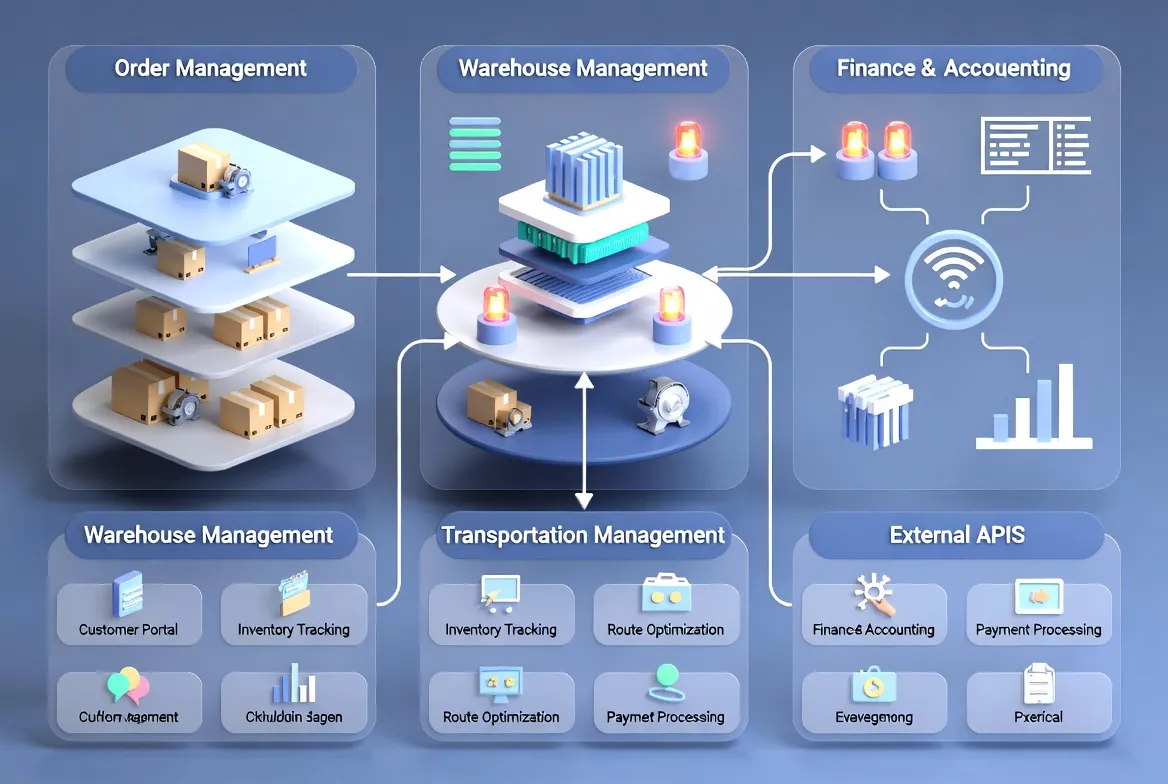 How Digital Systems Improve Logistics Platform Architecture
As logistics operations become increasingly complex, the architecture of logistics platforms plays a critical role in determining system performance, scalability, and adaptability. Traditional monolithic systems often struggle to handle the dynamic demands of modern supply chains.
How Digital Systems Improve Logistics Platform Architecture
As logistics operations become increasingly complex, the architecture of logistics platforms plays a critical role in determining system performance, scalability, and adaptability. Traditional monolithic systems often struggle to handle the dynamic demands of modern supply chains.
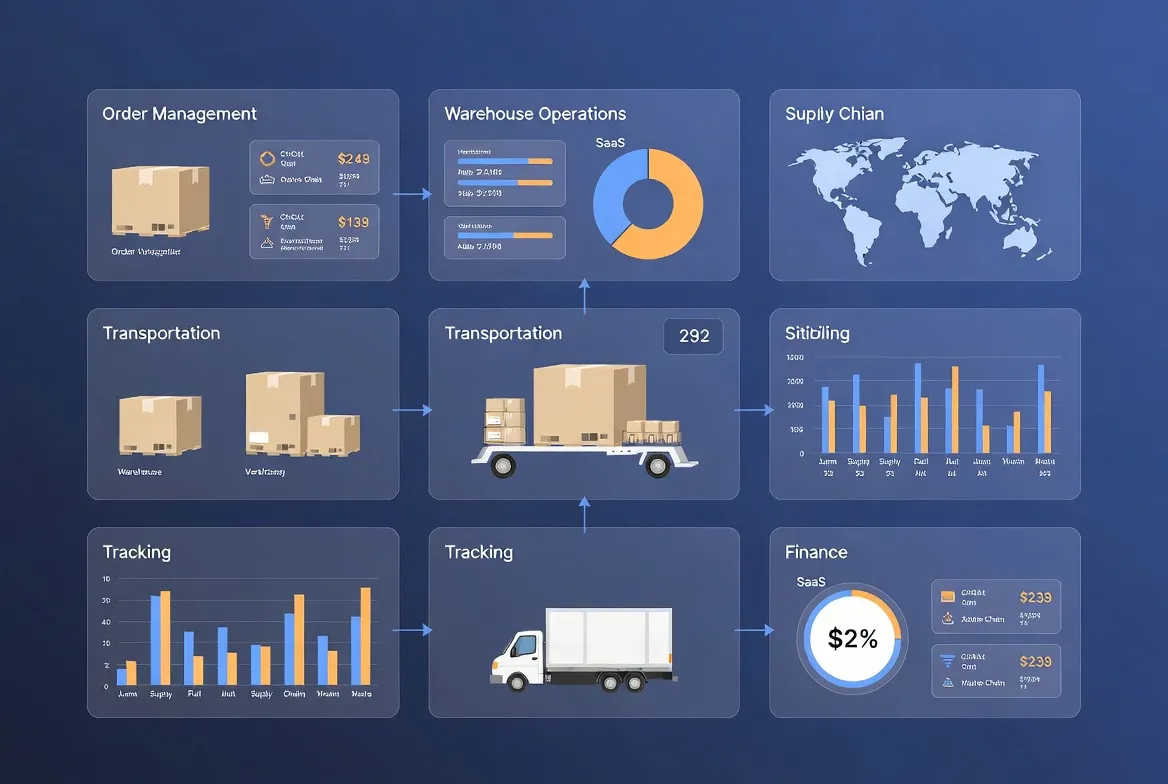 How Logistics Platforms Deliver Digital Supply Chain Platforms
The evolution of global supply chains has driven the need for more advanced digital capabilities. Traditional logistics systems, often fragmented and manual, can no longer support the speed, visibility, and coordination required in modern operations.
How Logistics Platforms Deliver Digital Supply Chain Platforms
The evolution of global supply chains has driven the need for more advanced digital capabilities. Traditional logistics systems, often fragmented and manual, can no longer support the speed, visibility, and coordination required in modern operations.
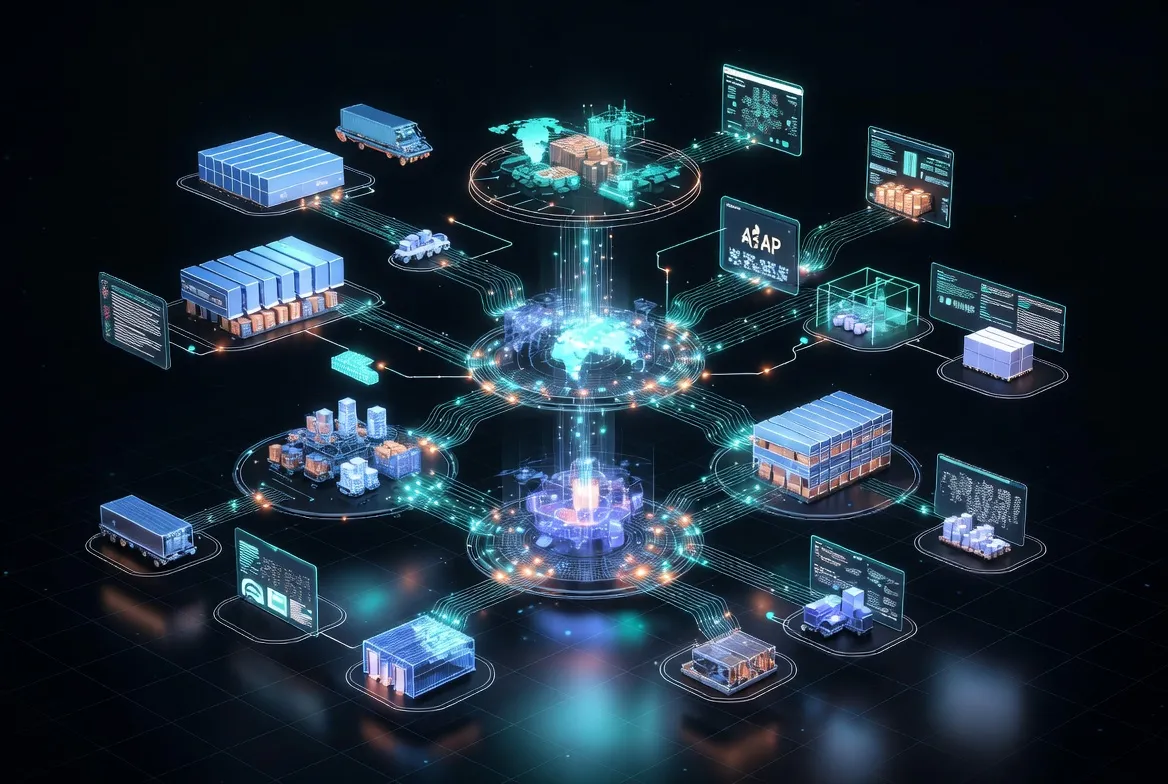 The Role of Logistics System Architecture in Modern Logistics
Modern logistics operations depend heavily on digital systems to manage complex, multi-stage supply chains. At the core of these systems lies logistics system architecture—the structural design that determines how data, workflows, and integrations function across the platform.
The Role of Logistics System Architecture in Modern Logistics
Modern logistics operations depend heavily on digital systems to manage complex, multi-stage supply chains. At the core of these systems lies logistics system architecture—the structural design that determines how data, workflows, and integrations function across the platform.
 Why Digital Logistics Platforms Are Replacing Traditional Systems
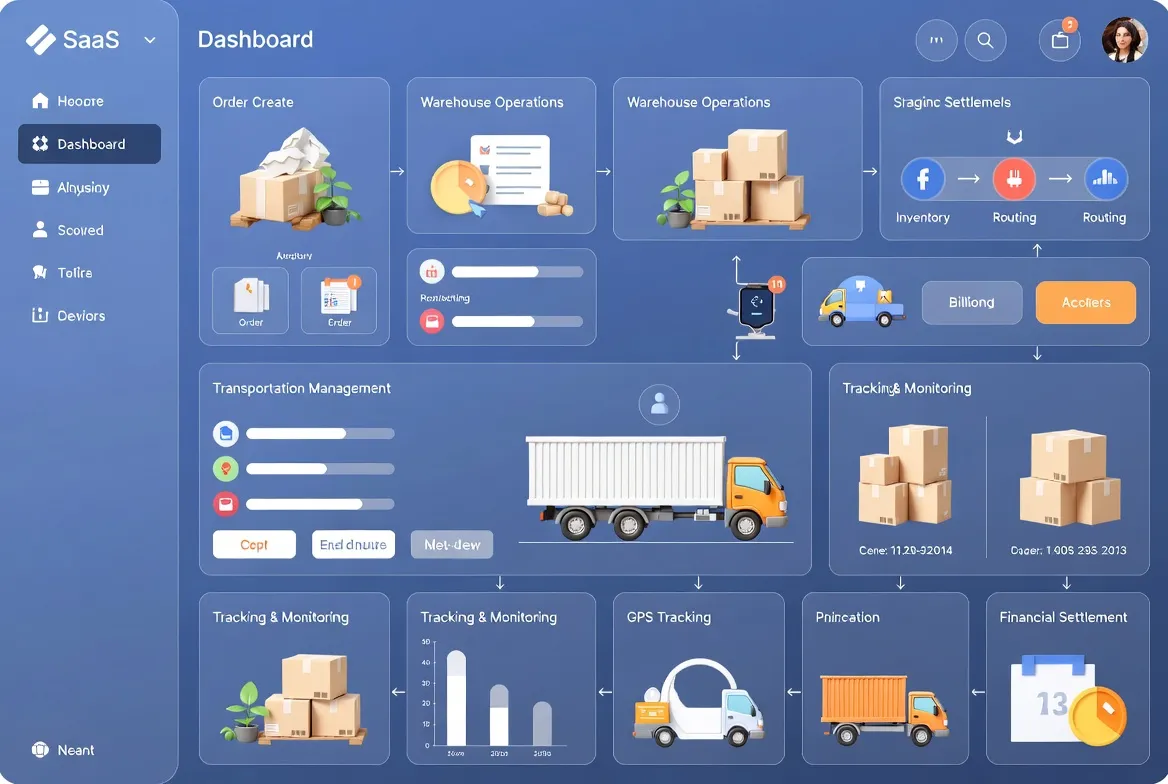
Digital logistics platforms are replacing traditional systems because they offer integrated workflows, real-time visibility, and automation capabilities that legacy tools cannot support. As logistics operations become more complex and globalized, companies need scalable and connected systems rather than fragmented, manual processes.
Why Digital Logistics Platforms Are Replacing Traditional Systems
Digital logistics platforms are replacing traditional systems because they offer integrated workflows, real-time visibility, and automation capabilities that legacy tools cannot support. As logistics operations become more complex and globalized, companies need scalable and connected systems rather than fragmented, manual processes.
 How End-to-End Logistics Platforms Manage Global Supply Chains
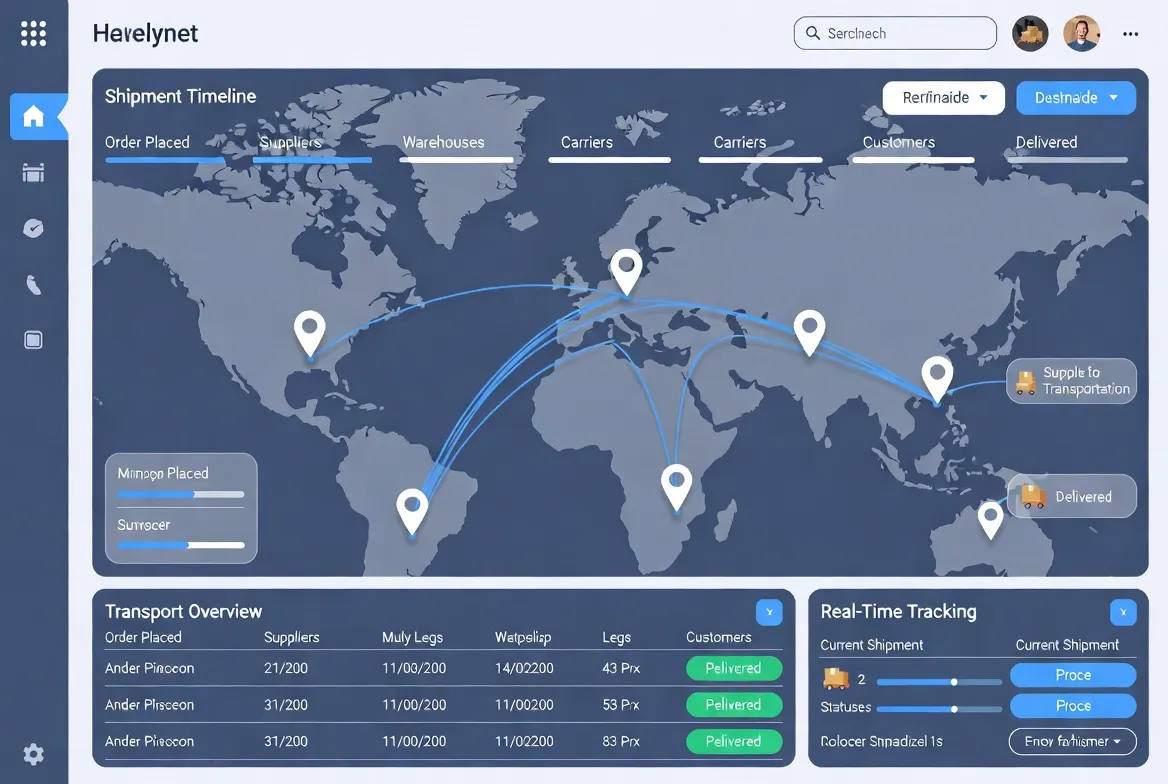
End-to-end logistics platforms manage global supply chains by integrating all logistics processes—planning, execution, tracking, and financial management—into a single system, enabling real-time coordination across multiple stakeholders and geographies.
How End-to-End Logistics Platforms Manage Global Supply Chains
End-to-end logistics platforms manage global supply chains by integrating all logistics processes—planning, execution, tracking, and financial management—into a single system, enabling real-time coordination across multiple stakeholders and geographies.
 Logistics Platform for Global Supply Chain Orchestration
A logistics platform for global supply chain orchestration is a centralized digital system that coordinates all logistics activities, stakeholders, and data flows across international supply chains. It enables companies to manage complex, multi-party operations in a synchronized and structured way, ensuring efficiency, visibility, and control.
Logistics Platform for Global Supply Chain Orchestration
A logistics platform for global supply chain orchestration is a centralized digital system that coordinates all logistics activities, stakeholders, and data flows across international supply chains. It enables companies to manage complex, multi-party operations in a synchronized and structured way, ensuring efficiency, visibility, and control.
 Key Features of End-to-End Logistics Platforms
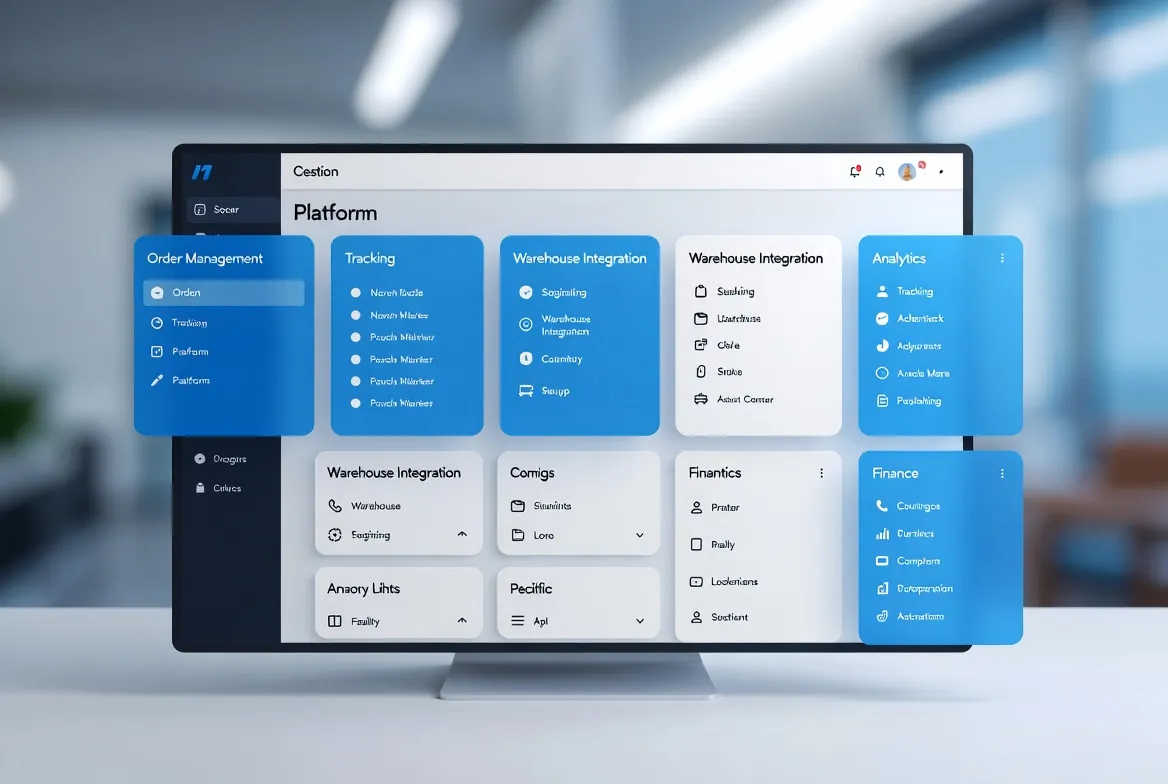
End-to-end logistics platforms include a set of integrated features designed to manage the entire logistics lifecycle—from order creation to delivery and financial settlement—within a single system. These features focus on visibility, collaboration, automation, and integration to support modern logistics operations.
Key Features of End-to-End Logistics Platforms
End-to-end logistics platforms include a set of integrated features designed to manage the entire logistics lifecycle—from order creation to delivery and financial settlement—within a single system. These features focus on visibility, collaboration, automation, and integration to support modern logistics operations.
 Traditional Logistics Systems vs Modern SaaS Platforms
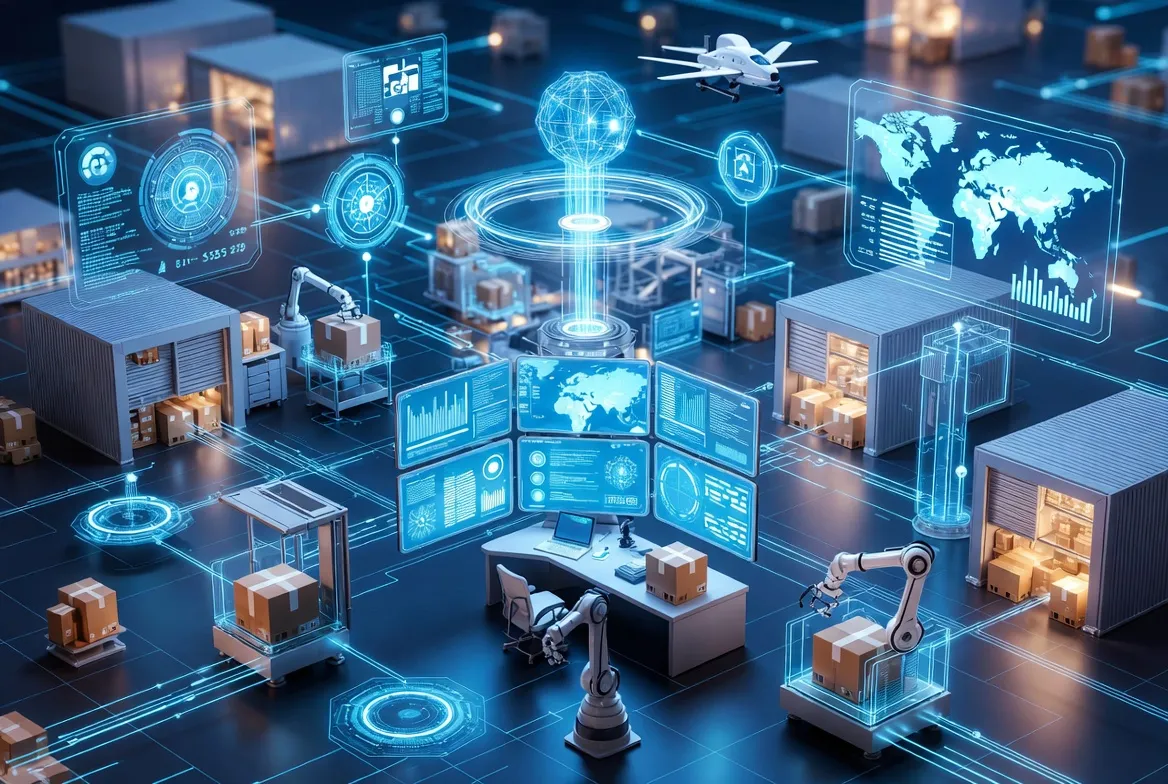
Traditional logistics systems differ from modern SaaS platforms in their architecture, flexibility, and operational capabilities. While traditional systems are often siloed and rigid, SaaS platforms provide integrated, scalable, and real-time solutions that better support modern logistics operations.
Traditional Logistics Systems vs Modern SaaS Platforms
Traditional logistics systems differ from modern SaaS platforms in their architecture, flexibility, and operational capabilities. While traditional systems are often siloed and rigid, SaaS platforms provide integrated, scalable, and real-time solutions that better support modern logistics operations.
 How AI Is Transforming Global Logistics Operations
AI is transforming global logistics operations by automating data processing, improving decision-making, and enhancing efficiency across complex supply chains. From document recognition to predictive analytics, AI enables logistics companies to operate faster, more accurately, and at scale.
How AI Is Transforming Global Logistics Operations
AI is transforming global logistics operations by automating data processing, improving decision-making, and enhancing efficiency across complex supply chains. From document recognition to predictive analytics, AI enables logistics companies to operate faster, more accurately, and at scale.
 What Is Global Trade Compliance in Logistics Systems
Global trade compliance in logistics systems refers to the processes and technologies used to ensure that international shipments adhere to all applicable regulations, customs requirements, and trade laws across different countries. Logistics systems support compliance by automating documentation, validating data, and ensuring accurate reporting throughout the shipment lifecycle.
What Is Global Trade Compliance in Logistics Systems
Global trade compliance in logistics systems refers to the processes and technologies used to ensure that international shipments adhere to all applicable regulations, customs requirements, and trade laws across different countries. Logistics systems support compliance by automating documentation, validating data, and ensuring accurate reporting throughout the shipment lifecycle.
.webp "What Is Logistics System Integration and Why It Matters") What Is Logistics System Integration and Why It Matters
Logistics system integration refers to the process of connecting multiple logistics-related systems—such as transportation, warehouse, finance, ERP, and customer platforms—into a unified environment where data flows seamlessly. It matters because modern logistics operations depend on real-time coordination across multiple stakeholders, and without integration, companies face fragmented data, delays, and operational inefficiencies.
What Is Logistics System Integration and Why It Matters
Logistics system integration refers to the process of connecting multiple logistics-related systems—such as transportation, warehouse, finance, ERP, and customer platforms—into a unified environment where data flows seamlessly. It matters because modern logistics operations depend on real-time coordination across multiple stakeholders, and without integration, companies face fragmented data, delays, and operational inefficiencies.
 What Is Data Synchronization in Logistics Platforms
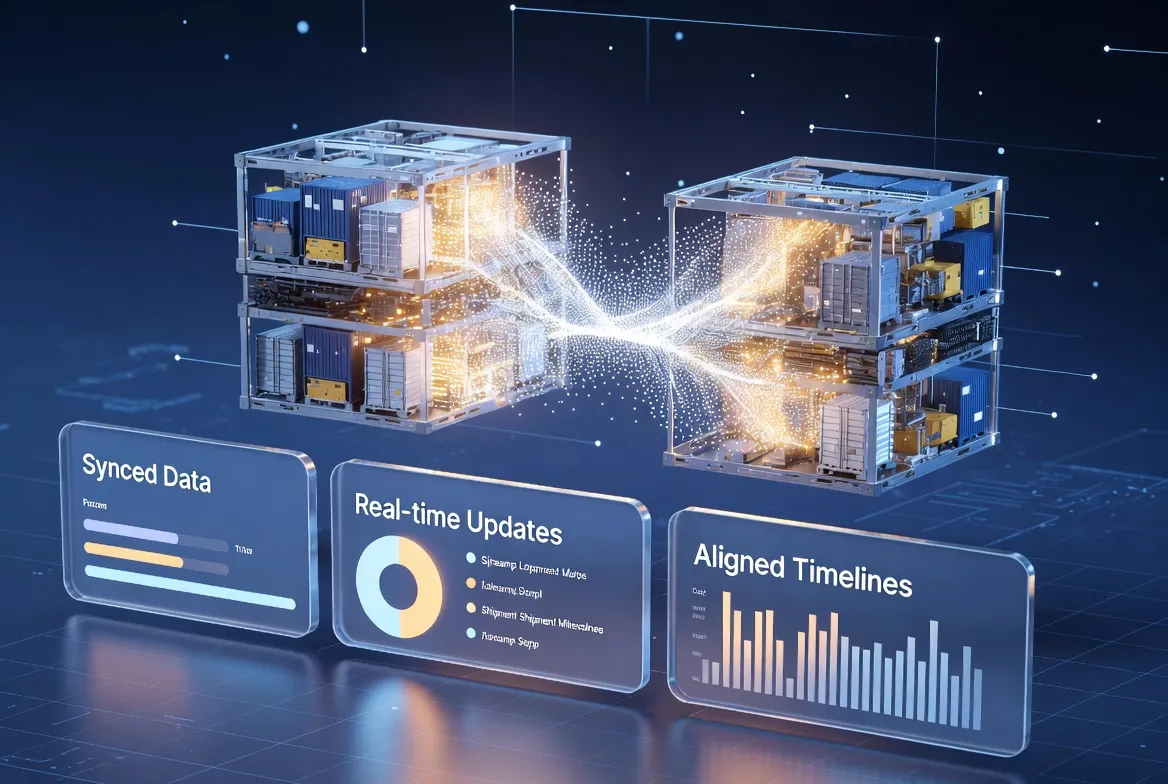
Data synchronization in logistics platforms refers to the process of ensuring that data across multiple systems, departments, and stakeholders is consistently updated and aligned in real time or near real time. It is essential because logistics operations involve multiple systems—such as order management, tracking, finance, and external partner platforms—and without synchronization, data inconsistencies can lead to delays, errors, and poor decision-making.
What Is Data Synchronization in Logistics Platforms
Data synchronization in logistics platforms refers to the process of ensuring that data across multiple systems, departments, and stakeholders is consistently updated and aligned in real time or near real time. It is essential because logistics operations involve multiple systems—such as order management, tracking, finance, and external partner platforms—and without synchronization, data inconsistencies can lead to delays, errors, and poor decision-making.
 How Logistics Systems Integrate with ERP and E-Commerce Platforms
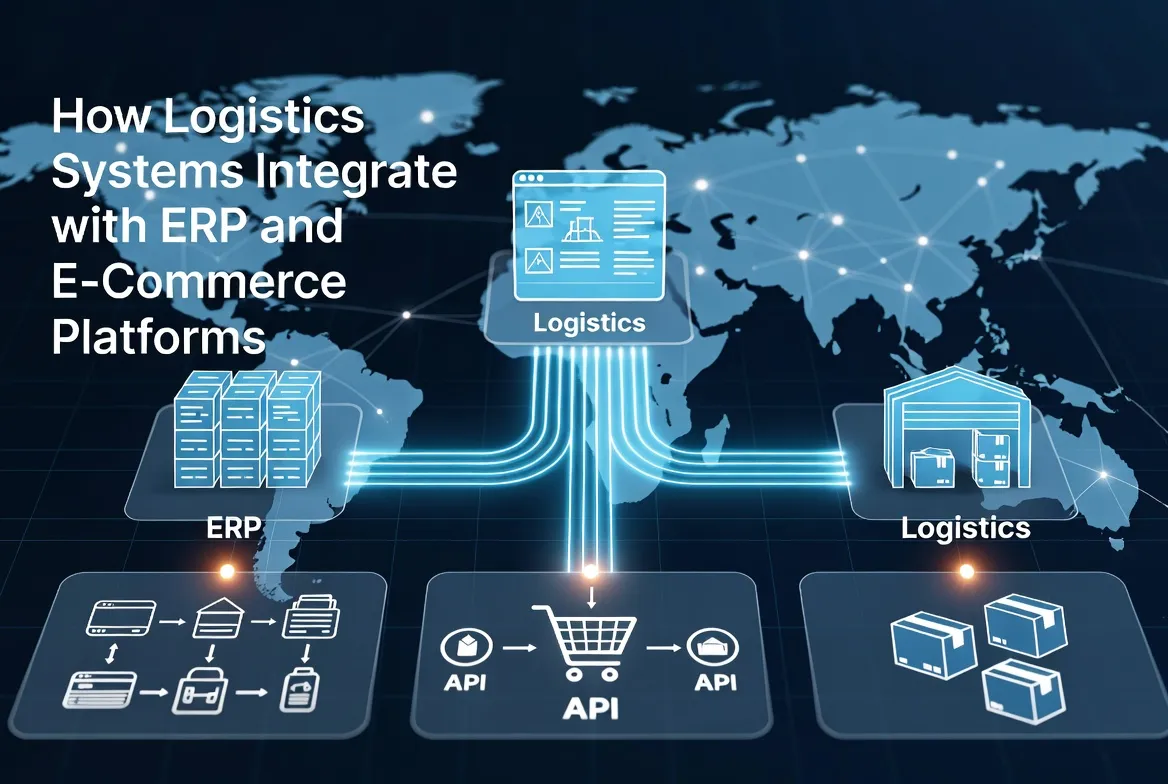
Logistics systems integrate with ERP and e-commerce platforms by connecting order data, shipment information, inventory, and financial records into a unified workflow through APIs, middleware, and automated data synchronization. This integration enables seamless data flow between front-end sales channels and back-end logistics operations, ensuring accuracy, efficiency, and real-time visibility across the supply chain.
How Logistics Systems Integrate with ERP and E-Commerce Platforms
Logistics systems integrate with ERP and e-commerce platforms by connecting order data, shipment information, inventory, and financial records into a unified workflow through APIs, middleware, and automated data synchronization. This integration enables seamless data flow between front-end sales channels and back-end logistics operations, ensuring accuracy, efficiency, and real-time visibility across the supply chain.
 Logistics Platform for Multi-System Data Integration
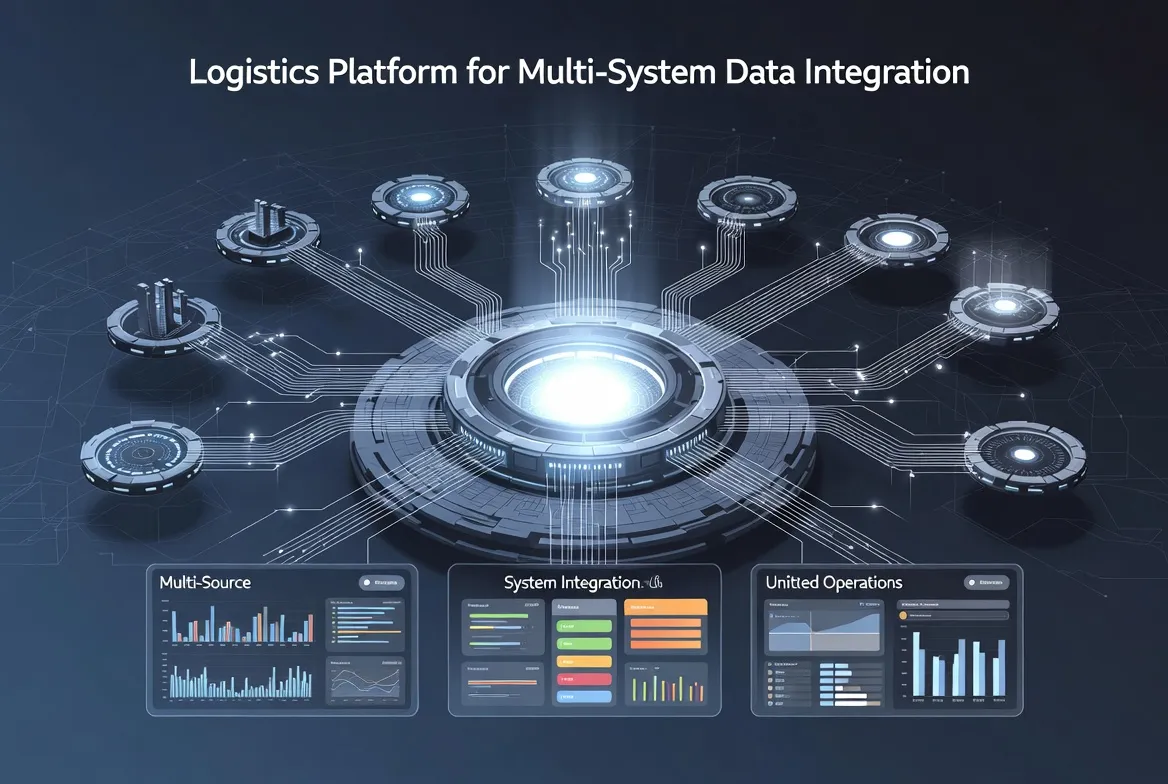
A logistics platform for multi-system data integration is a centralized system designed to connect and unify data from multiple logistics-related systems—such as ERP, WMS, TMS, carrier systems, and e-commerce platforms—into a single operational environment. It enables seamless data flow, real-time synchronization, and unified visibility across the entire supply chain.
Logistics Platform for Multi-System Data Integration
A logistics platform for multi-system data integration is a centralized system designed to connect and unify data from multiple logistics-related systems—such as ERP, WMS, TMS, carrier systems, and e-commerce platforms—into a single operational environment. It enables seamless data flow, real-time synchronization, and unified visibility across the entire supply chain.