.webp "How Logistics Platforms Deliver Cross-Border Logistics Workflows") How Logistics Platforms Deliver Cross-Border Logistics Workflows
Cross-border logistics workflows involve multiple stages, systems, and stakeholders across different countries. Managing these workflows manually or across disconnected systems often leads to inefficiencies, delays, and limited visibility. Modern logistics platforms address these challenges by structuring, automating, and integrating cross-border logistics workflows into a unified system.
How Logistics Platforms Deliver Cross-Border Logistics Workflows
Cross-border logistics workflows involve multiple stages, systems, and stakeholders across different countries. Managing these workflows manually or across disconnected systems often leads to inefficiencies, delays, and limited visibility. Modern logistics platforms address these challenges by structuring, automating, and integrating cross-border logistics workflows into a unified system.
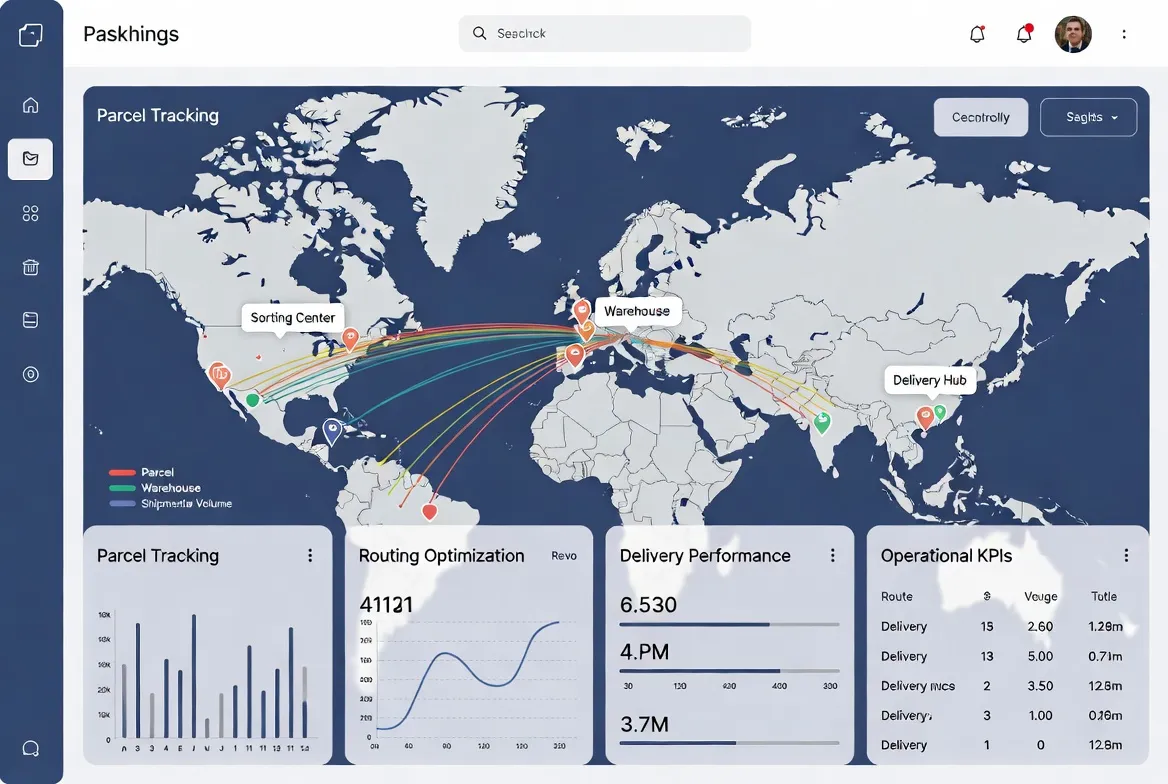 The Role of Global Parcel Operations in Modern Logistics
Global parcel operations have become a core component of modern logistics, driven by the rapid growth of cross-border e-commerce and direct-to-consumer delivery models. Managing high volumes of small shipments across international networks requires efficient operational structures, strong system support, and seamless coordination.
The Role of Global Parcel Operations in Modern Logistics
Global parcel operations have become a core component of modern logistics, driven by the rapid growth of cross-border e-commerce and direct-to-consumer delivery models. Managing high volumes of small shipments across international networks requires efficient operational structures, strong system support, and seamless coordination.
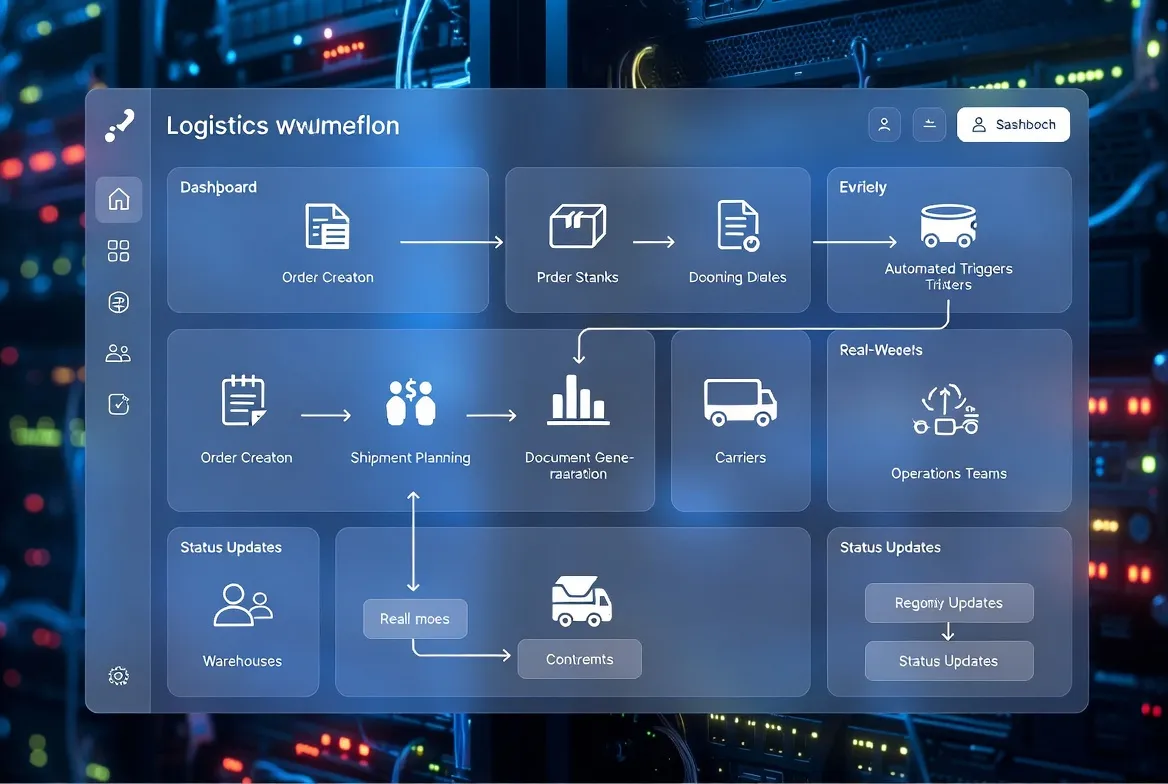 How Logistics Workflow Automation Improves Logistics Operations
Logistics operations involve repetitive processes, multiple stakeholders, and complex coordination across systems. As shipment volumes grow, manual workflows become inefficient and error-prone. Logistics workflow automation improves operations by standardizing processes, reducing manual intervention, and enabling real-time execution.
How Logistics Workflow Automation Improves Logistics Operations
Logistics operations involve repetitive processes, multiple stakeholders, and complex coordination across systems. As shipment volumes grow, manual workflows become inefficient and error-prone. Logistics workflow automation improves operations by standardizing processes, reducing manual intervention, and enabling real-time execution.
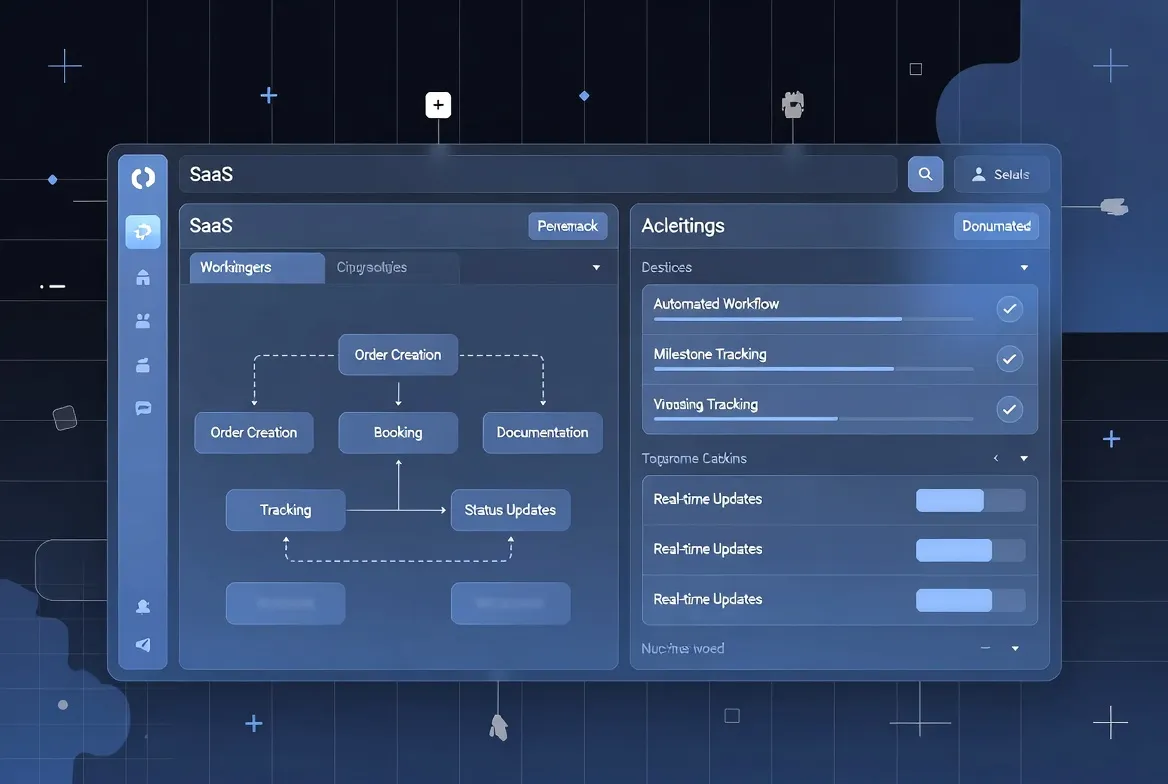 Key Features of Shipment Process Automation Platforms
Shipment processing involves multiple steps, from order creation to delivery and billing. Managing these steps manually can lead to inefficiencies, errors, and delays. Shipment process automation platforms are designed to streamline these workflows by automating tasks, integrating systems, and enabling real-time execution across logistics operations.
Key Features of Shipment Process Automation Platforms
Shipment processing involves multiple steps, from order creation to delivery and billing. Managing these steps manually can lead to inefficiencies, errors, and delays. Shipment process automation platforms are designed to streamline these workflows by automating tasks, integrating systems, and enabling real-time execution across logistics operations.
 Best Practices for Managing Freight Workflow Standardization
Freight operations involve multiple processes, stakeholders, and transportation stages. Without standardized workflows, logistics teams often face inconsistencies, inefficiencies, and increased operational risks. Freight workflow standardization helps organizations establish consistent processes, improve coordination, and enhance overall operational performance.
Best Practices for Managing Freight Workflow Standardization
Freight operations involve multiple processes, stakeholders, and transportation stages. Without standardized workflows, logistics teams often face inconsistencies, inefficiencies, and increased operational risks. Freight workflow standardization helps organizations establish consistent processes, improve coordination, and enhance overall operational performance.
 How Logistics Task Automation Supports Global Supply Chains
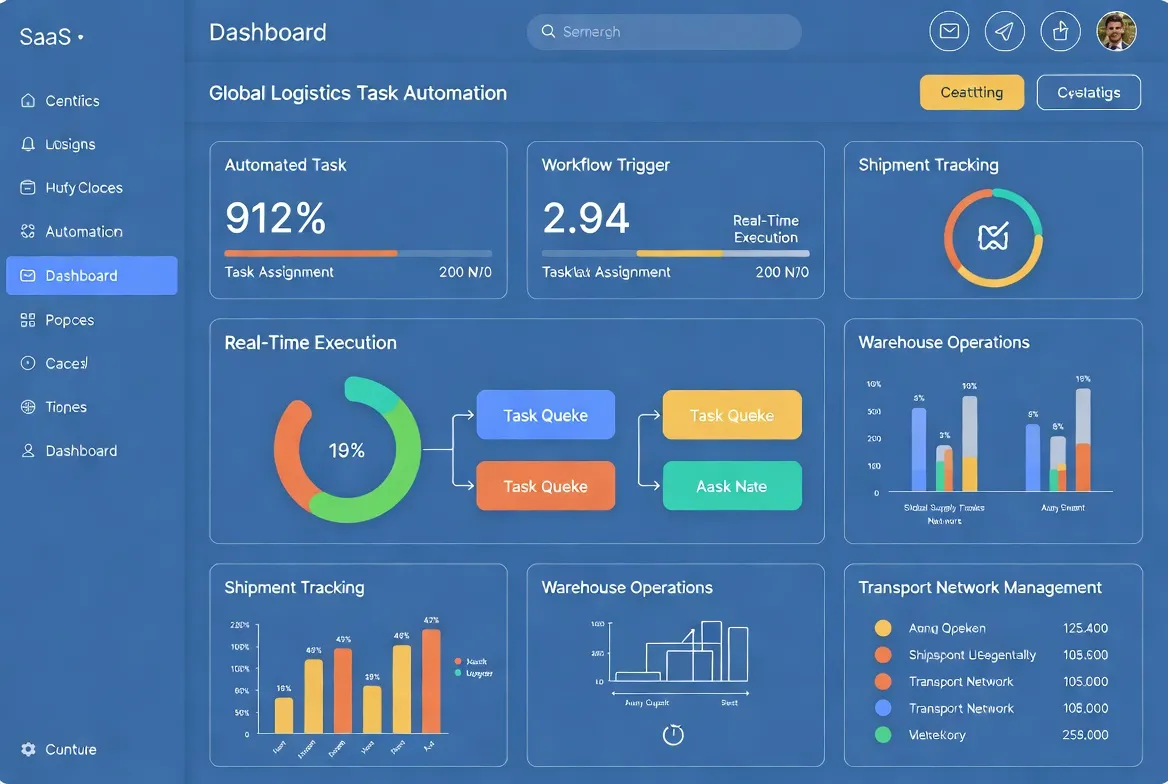
Global supply chains involve thousands of repetitive operational tasks across multiple regions, systems, and partners. Managing these tasks manually leads to inefficiencies, delays, and errors. Logistics task automation improves supply chain performance by automating routine activities, ensuring consistency, and enabling real-time execution across global operations.
How Logistics Task Automation Supports Global Supply Chains
Global supply chains involve thousands of repetitive operational tasks across multiple regions, systems, and partners. Managing these tasks manually leads to inefficiencies, delays, and errors. Logistics task automation improves supply chain performance by automating routine activities, ensuring consistency, and enabling real-time execution across global operations.
 Why Companies Use Operational Logistics Automation Systems
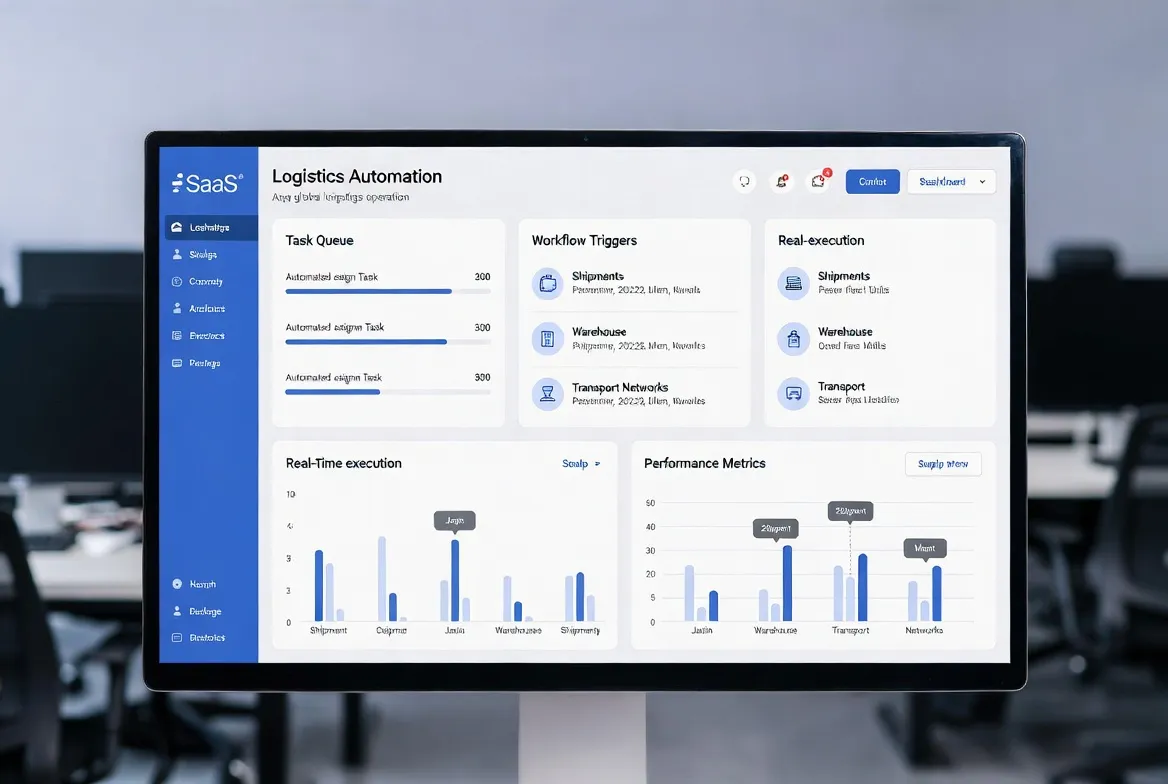
As logistics operations grow in scale and complexity, companies face increasing pressure to improve efficiency, reduce costs, and maintain service quality. Operational logistics automation systems are designed to address these challenges by automating workflows, integrating systems, and enabling real-time execution across logistics processes.
Why Companies Use Operational Logistics Automation Systems
As logistics operations grow in scale and complexity, companies face increasing pressure to improve efficiency, reduce costs, and maintain service quality. Operational logistics automation systems are designed to address these challenges by automating workflows, integrating systems, and enabling real-time execution across logistics processes.
 How Modern Platforms Enable Automated Shipment Coordination
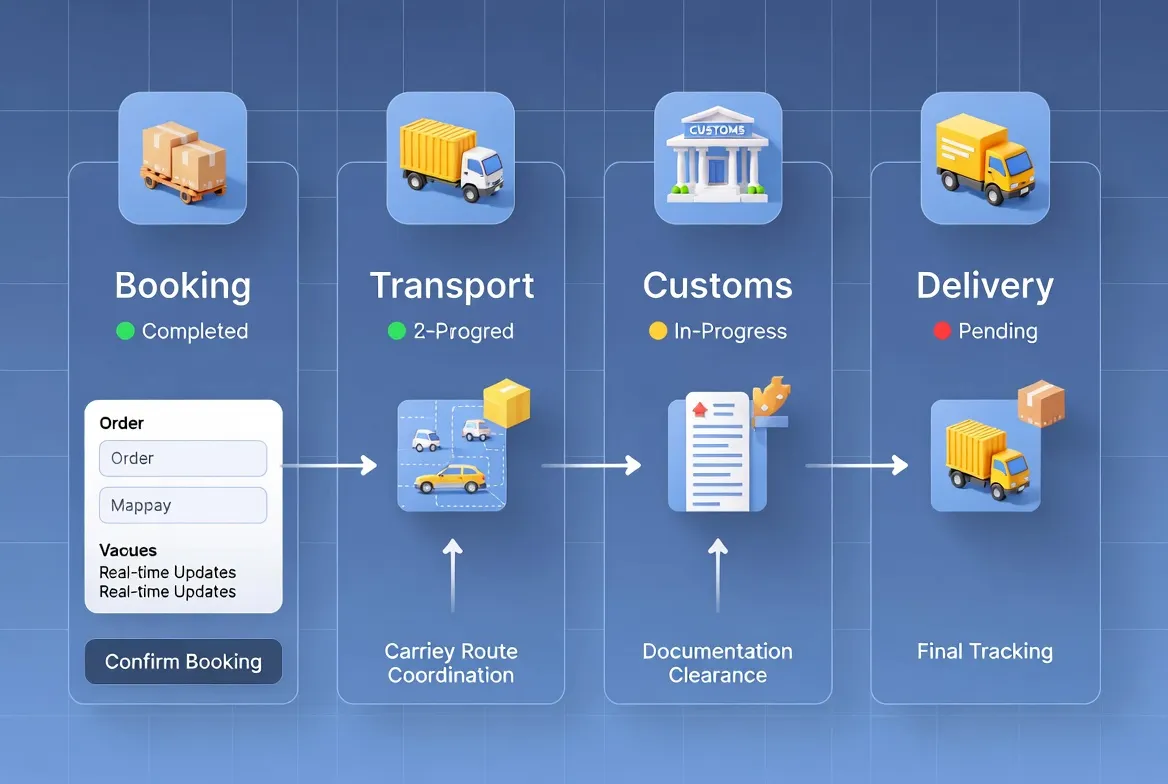
Shipment coordination is a critical function in logistics operations, especially in cross-border and multi-modal environments. Coordinating shipments manually across multiple stakeholders and systems often leads to delays, errors, and communication gaps. Modern logistics platforms address these challenges by automating coordination processes, enabling real-time synchronization, and ensuring consistent execution.
How Modern Platforms Enable Automated Shipment Coordination
Shipment coordination is a critical function in logistics operations, especially in cross-border and multi-modal environments. Coordinating shipments manually across multiple stakeholders and systems often leads to delays, errors, and communication gaps. Modern logistics platforms address these challenges by automating coordination processes, enabling real-time synchronization, and ensuring consistent execution.
 Key Capabilities of Logistics SOP Automation Solutions
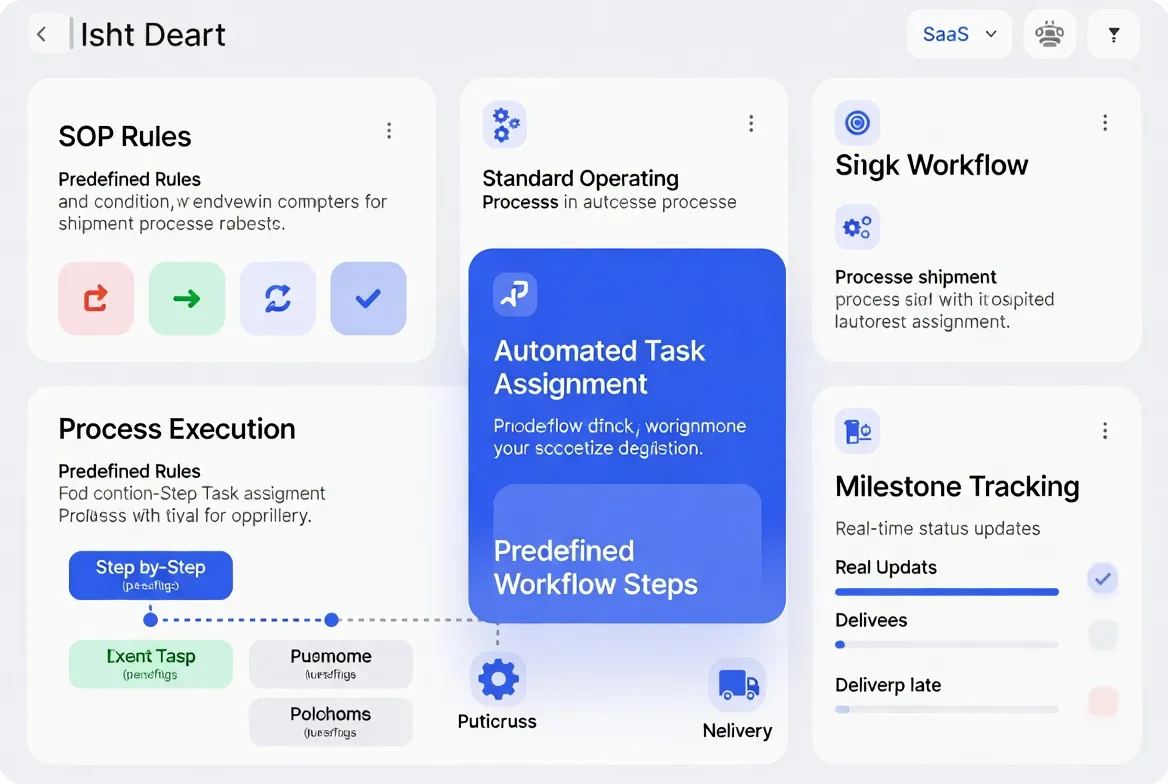
Standard Operating Procedures (SOPs) are essential for maintaining consistency and control in logistics operations. However, manually enforcing SOPs across teams, regions, and systems can be difficult. Logistics SOP automation solutions address this challenge by embedding standardized processes into digital systems and automating their execution.
Key Capabilities of Logistics SOP Automation Solutions
Standard Operating Procedures (SOPs) are essential for maintaining consistency and control in logistics operations. However, manually enforcing SOPs across teams, regions, and systems can be difficult. Logistics SOP automation solutions address this challenge by embedding standardized processes into digital systems and automating their execution.
 How Digital Systems Improve Freight Operations Automation
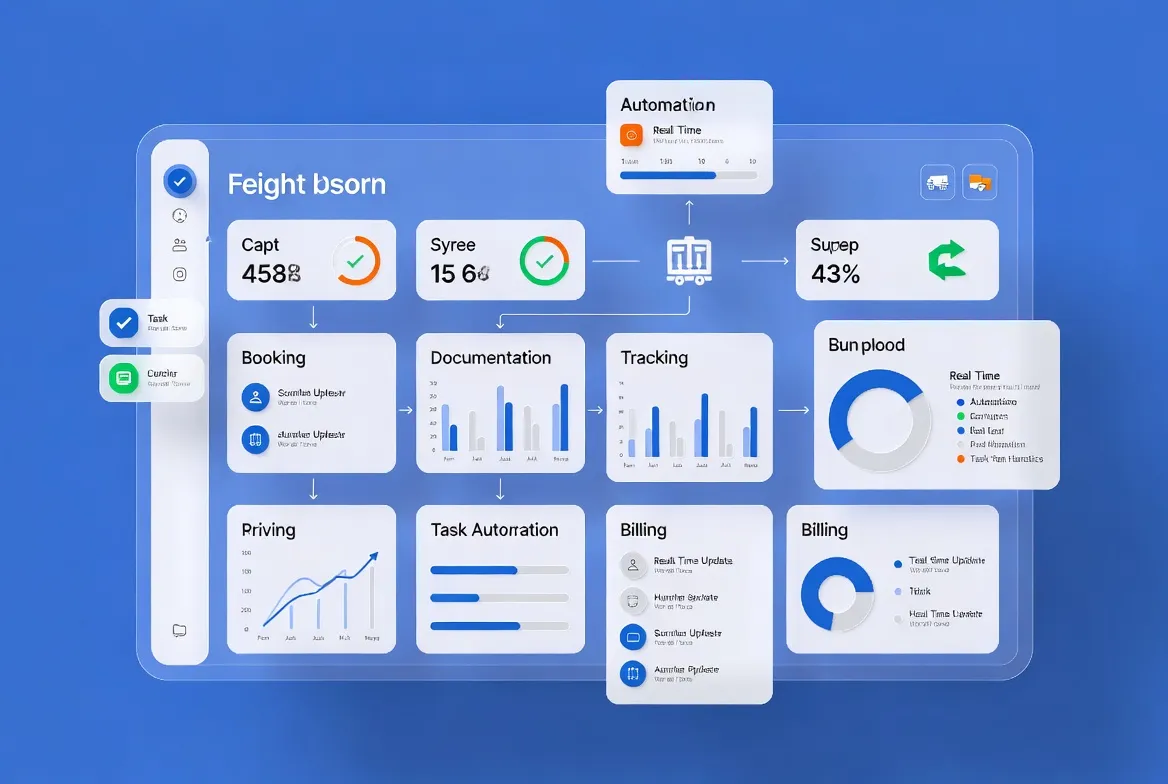
Freight operations involve complex processes such as order management, transportation coordination, documentation, and financial handling. As shipment volumes increase and global logistics networks expand, manual operations become inefficient and difficult to manage. Digital systems improve freight operations by enabling automation, integration, and real-time execution across the entire workflow.
How Digital Systems Improve Freight Operations Automation
Freight operations involve complex processes such as order management, transportation coordination, documentation, and financial handling. As shipment volumes increase and global logistics networks expand, manual operations become inefficient and difficult to manage. Digital systems improve freight operations by enabling automation, integration, and real-time execution across the entire workflow.
 The Role of Logistics Process Automation in Modern Logistics
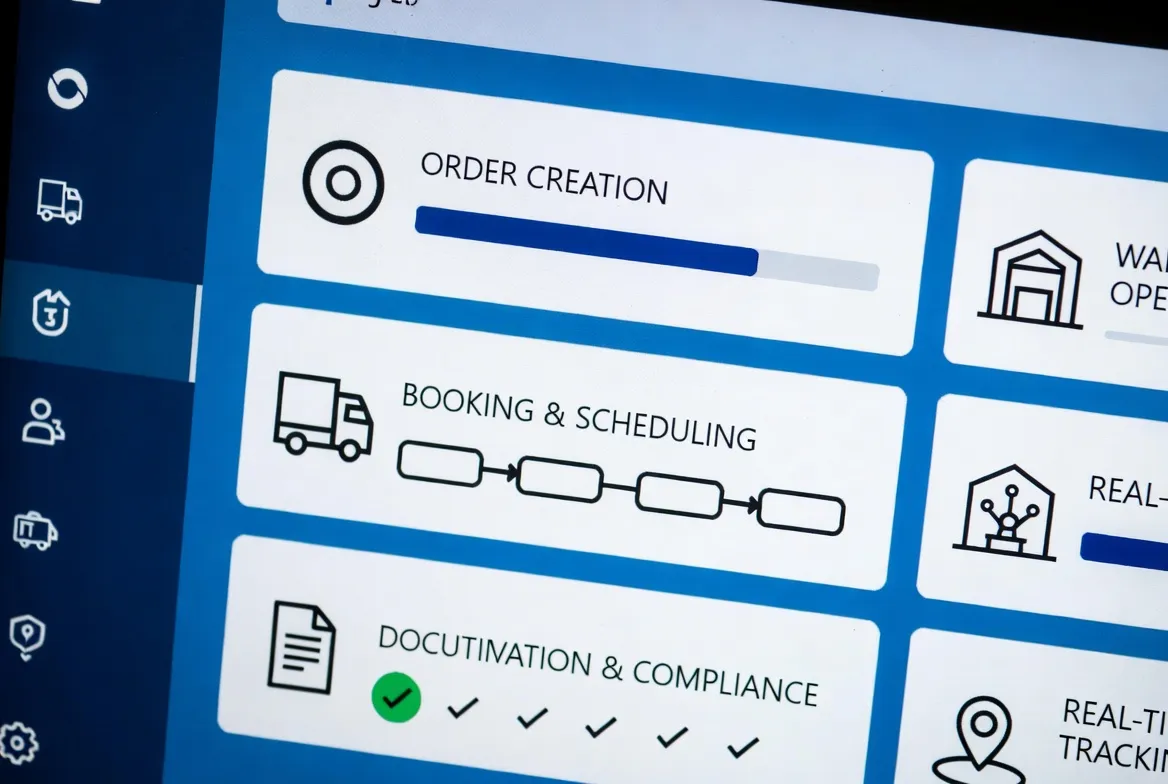
Modern logistics operations are defined by complexity. Shipments move across multiple countries, involve various transportation modes, and require coordination between numerous stakeholders, including freight forwarders, carriers, warehouses, and customs authorities.
The Role of Logistics Process Automation in Modern Logistics
Modern logistics operations are defined by complexity. Shipments move across multiple countries, involve various transportation modes, and require coordination between numerous stakeholders, including freight forwarders, carriers, warehouses, and customs authorities.
 How Digital Logistics Infrastructure Improves Logistics Operations
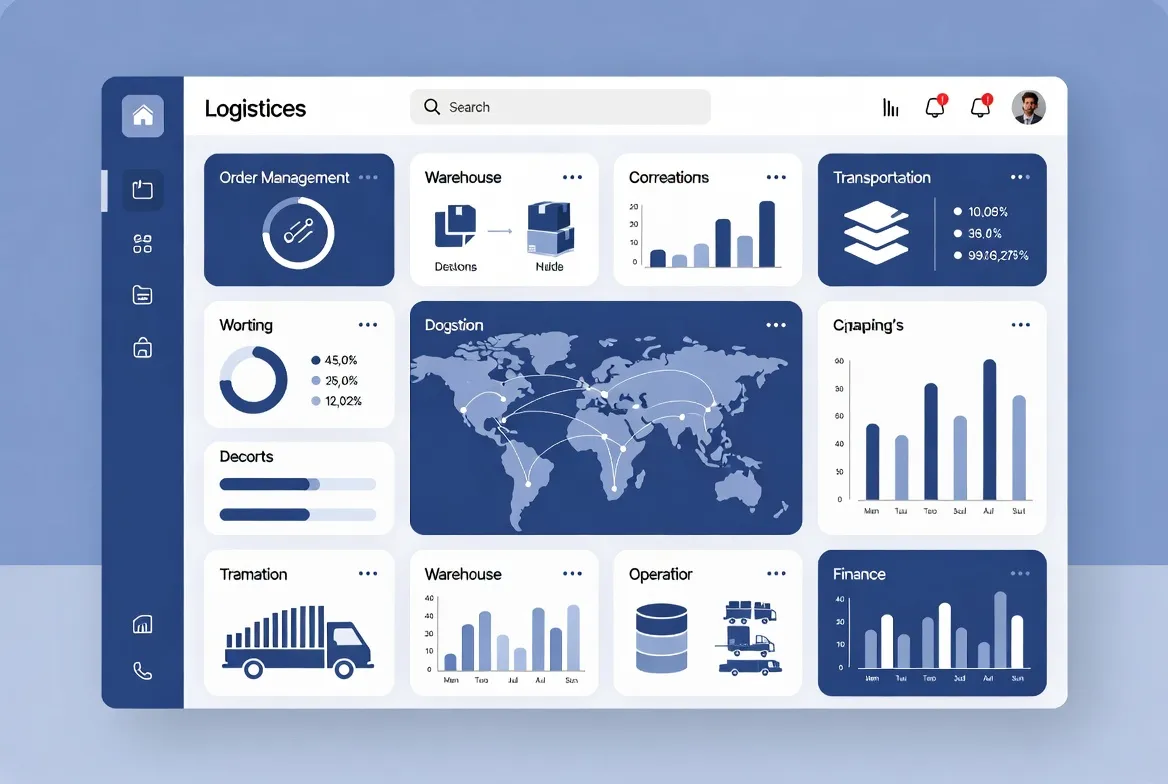
As global logistics networks become more interconnected, the traditional approach of managing operations through isolated systems and manual coordination is no longer effective. Logistics companies now require a unified digital foundation to support real-time operations, multi-party collaboration, and data-driven decision-making.
How Digital Logistics Infrastructure Improves Logistics Operations
As global logistics networks become more interconnected, the traditional approach of managing operations through isolated systems and manual coordination is no longer effective. Logistics companies now require a unified digital foundation to support real-time operations, multi-party collaboration, and data-driven decision-making.
 Best Practices for Managing Supply Chain Digital Infrastructure
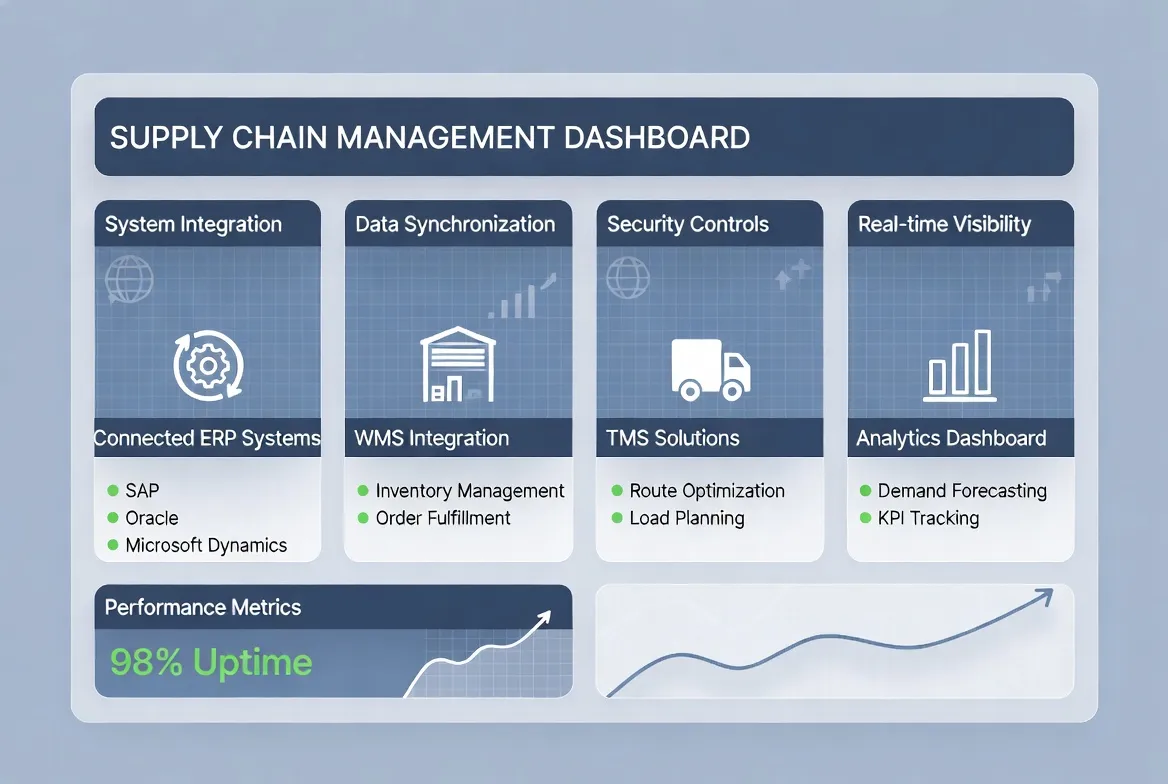
As supply chains become increasingly global and data-driven, managing digital infrastructure has become a strategic priority for logistics companies. Digital infrastructure is no longer just a supporting function—it is the backbone that enables operational efficiency, real-time visibility, and scalable growth.
Best Practices for Managing Supply Chain Digital Infrastructure
As supply chains become increasingly global and data-driven, managing digital infrastructure has become a strategic priority for logistics companies. Digital infrastructure is no longer just a supporting function—it is the backbone that enables operational efficiency, real-time visibility, and scalable growth.
 How Freight Digital Platforms Support Global Supply Chains
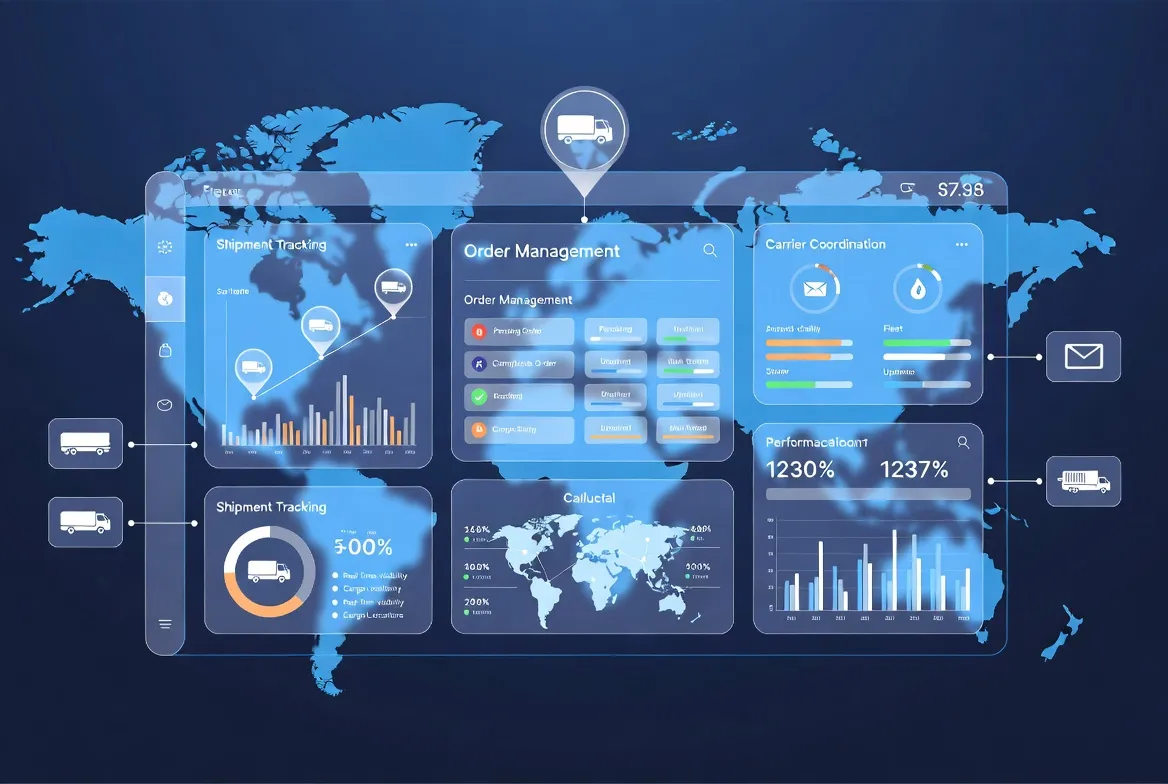
Global supply chains are more interconnected than ever. Goods move across continents through multiple transportation modes, involving a wide network of suppliers, carriers, warehouses, and service providers.
How Freight Digital Platforms Support Global Supply Chains
Global supply chains are more interconnected than ever. Goods move across continents through multiple transportation modes, involving a wide network of suppliers, carriers, warehouses, and service providers.
 Why Companies Use Logistics Technology Ecosystems
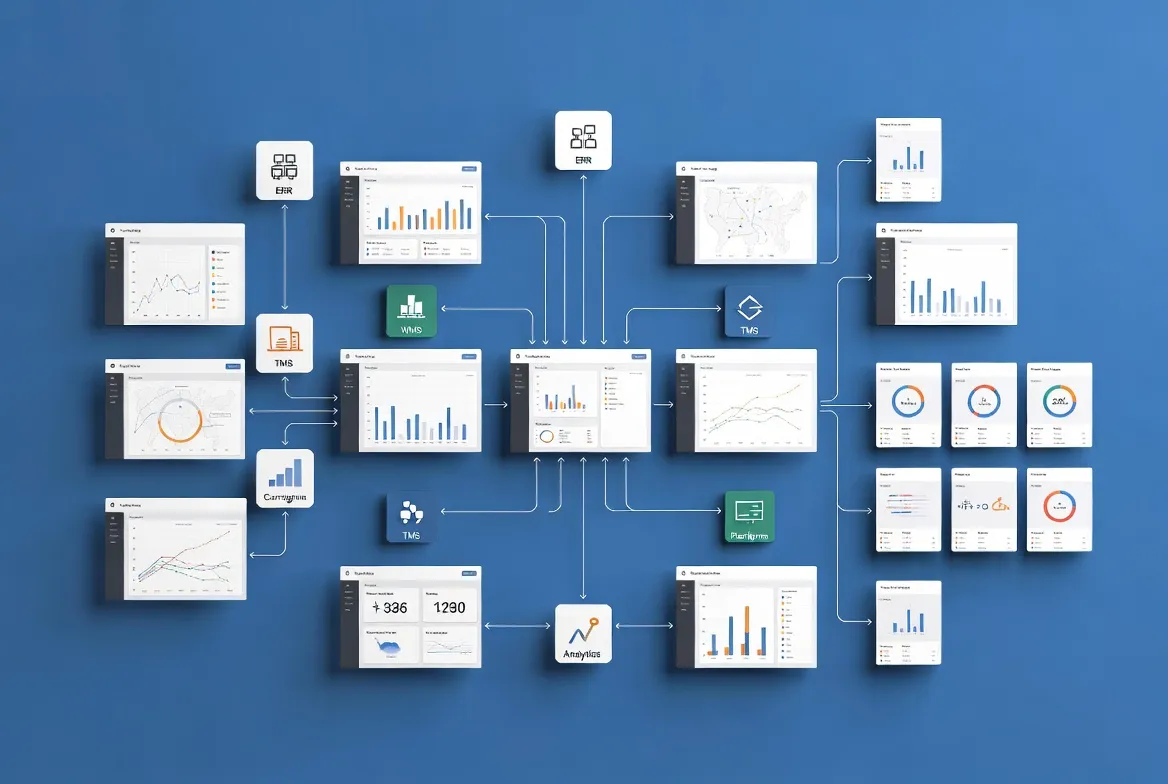
Modern logistics operations are no longer managed by a single system. Instead, they rely on a network of interconnected platforms, tools, and services working together to support complex supply chain activities.
Why Companies Use Logistics Technology Ecosystems
Modern logistics operations are no longer managed by a single system. Instead, they rely on a network of interconnected platforms, tools, and services working together to support complex supply chain activities.