
.webp "Multi Warehouse Management Systems") Multi Warehouse Management Systems
A Multi Warehouse Management System (Multi-Warehouse WMS) enables organizations to manage inventory, operations, and order fulfillment across multiple warehouse locations through a centralized platform. This capability is essential for modern logistics networks, e-commerce businesses, and global supply chains.
Multi Warehouse Management Systems
A Multi Warehouse Management System (Multi-Warehouse WMS) enables organizations to manage inventory, operations, and order fulfillment across multiple warehouse locations through a centralized platform. This capability is essential for modern logistics networks, e-commerce businesses, and global supply chains.
.webp "Warehouse Automation Platforms") Warehouse Automation Platforms
Warehouse automation platforms combine software systems and automation technologies to streamline warehouse operations, reduce manual effort, and enhance productivity. These platforms play a critical role in modern logistics, enabling faster order fulfillment and better inventory management.
Warehouse Automation Platforms
Warehouse automation platforms combine software systems and automation technologies to streamline warehouse operations, reduce manual effort, and enhance productivity. These platforms play a critical role in modern logistics, enabling faster order fulfillment and better inventory management.
.webp "Warehouse Management Best Practices") Warehouse Management Best Practices
Warehouse management best practices help organizations improve inventory accuracy, optimize workflows, reduce operational costs, and enhance order fulfillment efficiency. Whether using manual processes or advanced Warehouse Management Systems (WMS), applying the right strategies can significantly improve warehouse performance.
Warehouse Management Best Practices
Warehouse management best practices help organizations improve inventory accuracy, optimize workflows, reduce operational costs, and enhance order fulfillment efficiency. Whether using manual processes or advanced Warehouse Management Systems (WMS), applying the right strategies can significantly improve warehouse performance.
.webp "How Logistics Platforms Deliver Logistics Financial Visibility") How Logistics Platforms Deliver Logistics Financial Visibility
In global logistics operations, financial visibility is often fragmented across multiple systems, partners, and processes. Costs are generated at every stage—transportation, warehousing, customs, last-mile delivery—but are rarely consolidated in real time.
How Logistics Platforms Deliver Logistics Financial Visibility
In global logistics operations, financial visibility is often fragmented across multiple systems, partners, and processes. Costs are generated at every stage—transportation, warehousing, customs, last-mile delivery—but are rarely consolidated in real time.
.webp "The Role of Freight Accounting Workflows in Modern Logistics") The Role of Freight Accounting Workflows in Modern Logistics
In modern logistics operations, financial processes are no longer isolated from operational workflows. Freight accounting has evolved from manual bookkeeping into a structured, system-driven process that connects pricing, execution, and settlement.
The Role of Freight Accounting Workflows in Modern Logistics
In modern logistics operations, financial processes are no longer isolated from operational workflows. Freight accounting has evolved from manual bookkeeping into a structured, system-driven process that connects pricing, execution, and settlement.
.webp "How Logistics Document Management Improve Logistics Operations") How Logistics Document Management Improve Logistics Operations
Logistics operations generate a large volume of documents at every stage, including shipping instructions, bills of lading, customs forms, invoices, and delivery confirmations. In many organizations, these documents are still managed manually or stored across disconnected systems, leading to inefficiencies, delays, and compliance risks.
How Logistics Document Management Improve Logistics Operations
Logistics operations generate a large volume of documents at every stage, including shipping instructions, bills of lading, customs forms, invoices, and delivery confirmations. In many organizations, these documents are still managed manually or stored across disconnected systems, leading to inefficiencies, delays, and compliance risks.
.webp "Key Features of Freight Documentation Platforms") Key Features of Freight Documentation Platforms
Freight documentation is a critical component of logistics operations, covering everything from shipping instructions to customs declarations and financial records. However, traditional document handling methods—manual entry, email exchanges, and fragmented storage—often lead to delays, errors, and compliance risks.
Key Features of Freight Documentation Platforms
Freight documentation is a critical component of logistics operations, covering everything from shipping instructions to customs declarations and financial records. However, traditional document handling methods—manual entry, email exchanges, and fragmented storage—often lead to delays, errors, and compliance risks.
.webp "Best Practices for Managing Shipping Document Workflows") Best Practices for Managing Shipping Document Workflows
Shipping document workflows are at the core of logistics operations, supporting everything from booking and customs clearance to delivery and financial settlement. However, many logistics companies still rely on manual processes, fragmented systems, and email-based communication, leading to delays, errors, and compliance risks.
Best Practices for Managing Shipping Document Workflows
Shipping document workflows are at the core of logistics operations, supporting everything from booking and customs clearance to delivery and financial settlement. However, many logistics companies still rely on manual processes, fragmented systems, and email-based communication, leading to delays, errors, and compliance risks.
.webp "Why Companies Use International Logistics Documentation Systems") Why Companies Use International Logistics Documentation Systems
International logistics operations depend on accurate and timely documentation to ensure goods move smoothly across borders. From shipping instructions to customs declarations, documentation is required at every stage of the logistics process.
Why Companies Use International Logistics Documentation Systems
International logistics operations depend on accurate and timely documentation to ensure goods move smoothly across borders. From shipping instructions to customs declarations, documentation is required at every stage of the logistics process.
.webp "How Modern Platforms Enable Freight Compliance Documentation") How Modern Platforms Enable Freight Compliance Documentation
Freight compliance documentation is a critical requirement in international logistics, ensuring that shipments meet regulatory standards across different countries and regions.
How Modern Platforms Enable Freight Compliance Documentation
Freight compliance documentation is a critical requirement in international logistics, ensuring that shipments meet regulatory standards across different countries and regions.
.webp "Key Capabilities of Operational Document Control Solutions") Key Capabilities of Operational Document Control Solutions
In many logistics organizations, document control is still handled through emails, shared folders, or manual processes, leading to version confusion, delays, and lack of accountability. Operational document control solutions address these challenges by providing structured systems to manage documents throughout their lifecycle, improving efficiency and control across logistics operations.
Key Capabilities of Operational Document Control Solutions
In many logistics organizations, document control is still handled through emails, shared folders, or manual processes, leading to version confusion, delays, and lack of accountability. Operational document control solutions address these challenges by providing structured systems to manage documents throughout their lifecycle, improving efficiency and control across logistics operations.
.webp "How Logistics Platforms Deliver Trade Documentation Systems") How Logistics Platforms Deliver Trade Documentation Systems
In global logistics operations, trade documentation is one of the most critical yet complex components. From bills of lading and commercial invoices to customs declarations and shipping instructions, every shipment depends on accurate, timely, and compliant documentation. However, traditional document handling is often manual, fragmented, and prone to delays.
How Logistics Platforms Deliver Trade Documentation Systems
In global logistics operations, trade documentation is one of the most critical yet complex components. From bills of lading and commercial invoices to customs declarations and shipping instructions, every shipment depends on accurate, timely, and compliant documentation. However, traditional document handling is often manual, fragmented, and prone to delays.
.webp "The Role of Digital Logistics Documentation in Modern Logistics") The Role of Digital Logistics Documentation in Modern Logistics
Digital logistics documentation is transforming how logistics companies manage shipment data, coordinate operations, and ensure compliance. By integrating documentation into digital platforms, companies can streamline workflows, enhance visibility, and enable real-time collaboration across the entire supply chain.
The Role of Digital Logistics Documentation in Modern Logistics
Digital logistics documentation is transforming how logistics companies manage shipment data, coordinate operations, and ensure compliance. By integrating documentation into digital platforms, companies can streamline workflows, enhance visibility, and enable real-time collaboration across the entire supply chain.
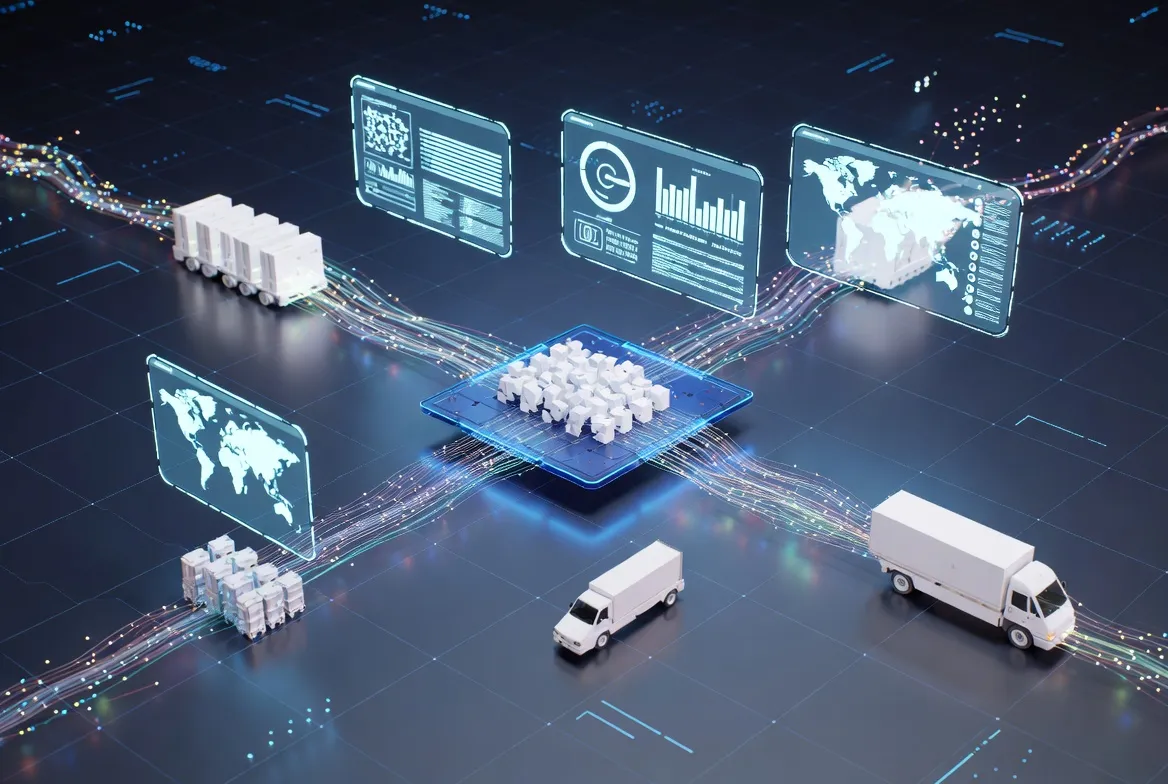 How Logistics Data Integration Improve Logistics Operations
Logistics data integration addresses this challenge by connecting systems, synchronizing information, and enabling seamless data flow across the entire supply chain. As a result, companies can improve operational performance, reduce manual work, and make more informed decisions.
How Logistics Data Integration Improve Logistics Operations
Logistics data integration addresses this challenge by connecting systems, synchronizing information, and enabling seamless data flow across the entire supply chain. As a result, companies can improve operational performance, reduce manual work, and make more informed decisions.
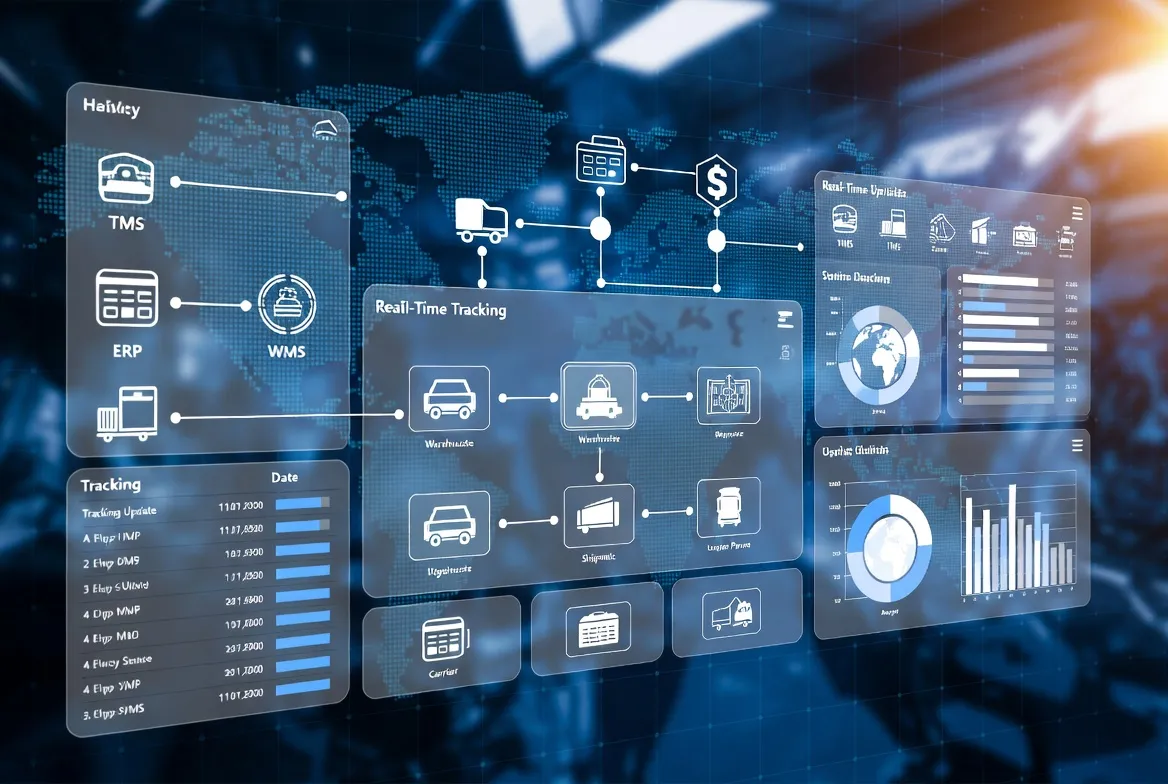 Key Features of Supply Chain Data Connectivity Platforms
As global supply chains become more complex, logistics operations increasingly rely on multiple systems, partners, and data sources. However, without proper connectivity, these systems operate in isolation, creating inefficiencies, delays, and limited visibility.
Key Features of Supply Chain Data Connectivity Platforms
As global supply chains become more complex, logistics operations increasingly rely on multiple systems, partners, and data sources. However, without proper connectivity, these systems operate in isolation, creating inefficiencies, delays, and limited visibility.