
.webp "What Is an End-to-End Logistics Management Platform") What Is an End-to-End Logistics Management Platform
An end-to-end logistics management platform is a unified digital system that manages the entire logistics lifecycle—from order creation and booking to shipment execution, tracking, and financial settlement—within a single environment. It replaces fragmented tools with integrated workflows, enabling logistics companies to coordinate operations, partners, and data across global supply chains more efficiently.
What Is an End-to-End Logistics Management Platform
An end-to-end logistics management platform is a unified digital system that manages the entire logistics lifecycle—from order creation and booking to shipment execution, tracking, and financial settlement—within a single environment. It replaces fragmented tools with integrated workflows, enabling logistics companies to coordinate operations, partners, and data across global supply chains more efficiently.
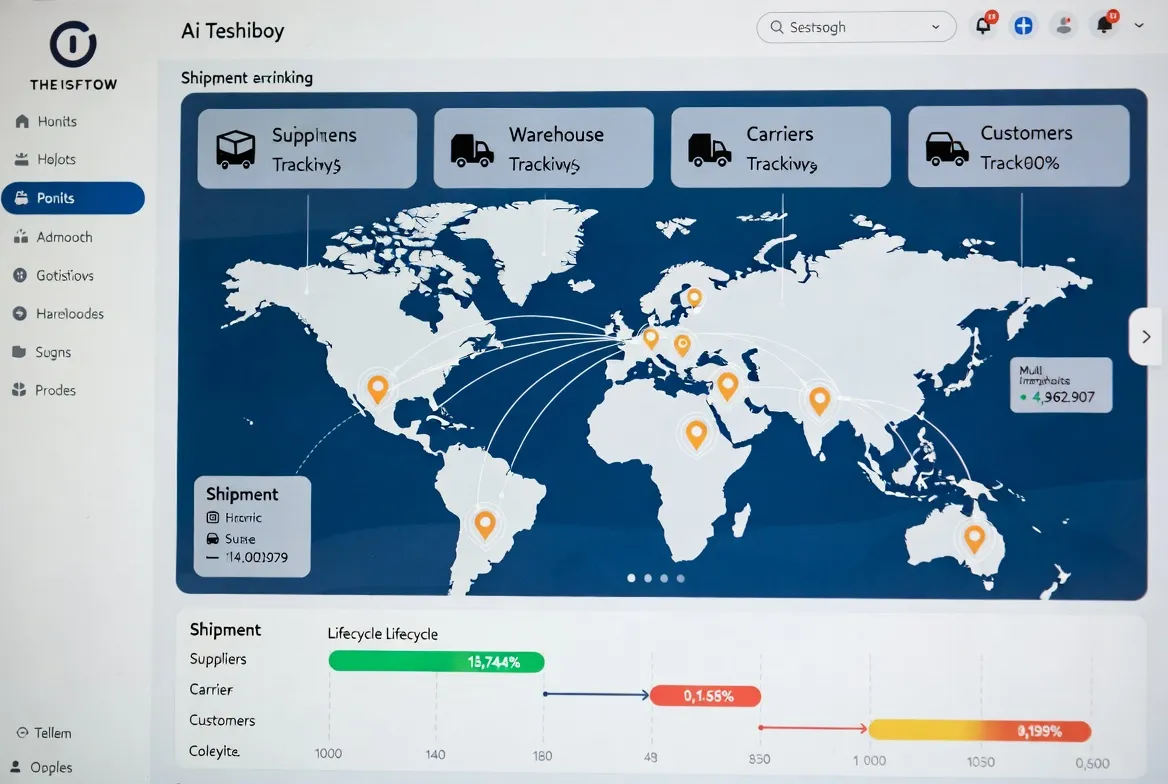 Logistics Software for Scaling International Logistics Operations
Logistics software enables companies to scale international logistics operations by standardizing workflows, automating repetitive tasks, and providing real-time visibility across global shipments. As logistics volumes grow, manual processes and disconnected systems become bottlenecks, making scalable software essential for sustainable expansion.
Logistics Software for Scaling International Logistics Operations
Logistics software enables companies to scale international logistics operations by standardizing workflows, automating repetitive tasks, and providing real-time visibility across global shipments. As logistics volumes grow, manual processes and disconnected systems become bottlenecks, making scalable software essential for sustainable expansion.
 How Automation and Visibility Drive Logistics Efficiency
Automation and visibility drive logistics efficiency by reducing manual work, improving real-time decision-making, and enabling better coordination across supply chain stakeholders. Together, they allow logistics companies to operate faster, more accurately, and at scale.
How Automation and Visibility Drive Logistics Efficiency
Automation and visibility drive logistics efficiency by reducing manual work, improving real-time decision-making, and enabling better coordination across supply chain stakeholders. Together, they allow logistics companies to operate faster, more accurately, and at scale.
 Global Logistics News: Red Sea volatility and Cape reroutes are rewriting global ETAs
What Maersk's stop-start Suez decisions mean for lead times, surcharges, and inventory buffers in 2026
Global Logistics News: Red Sea volatility and Cape reroutes are rewriting global ETAs
What Maersk's stop-start Suez decisions mean for lead times, surcharges, and inventory buffers in 2026
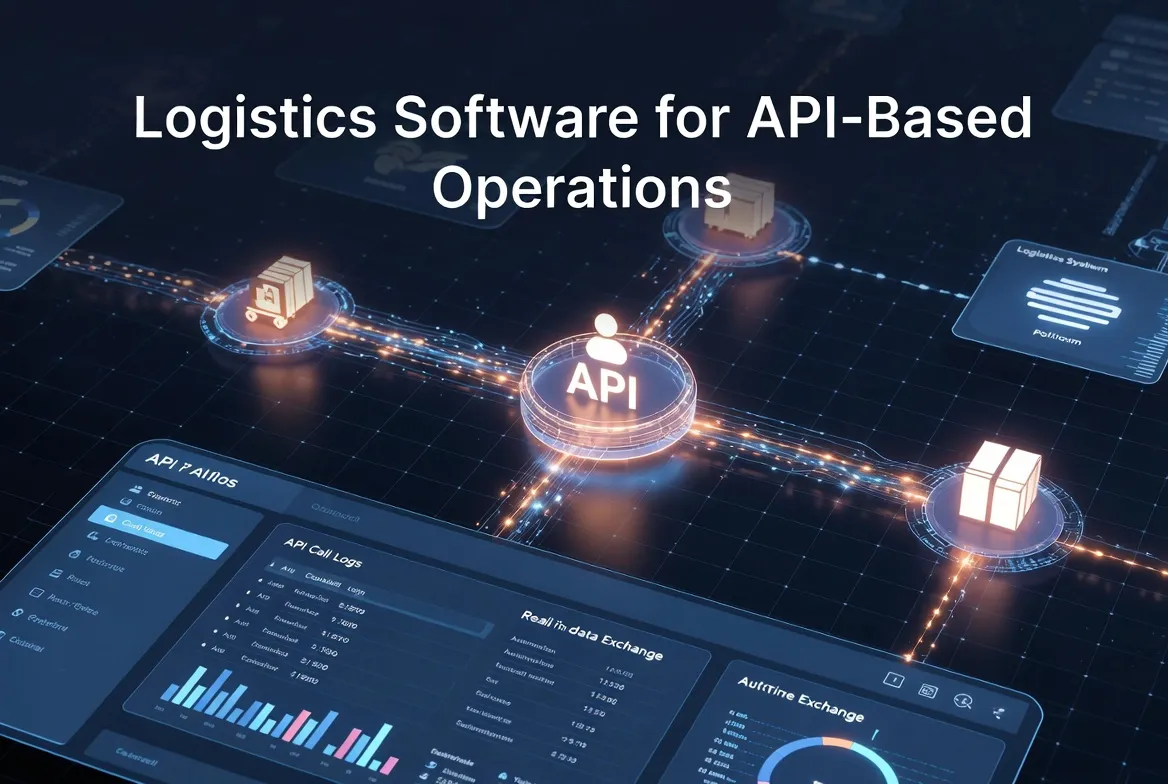 Logistics Software for API-Based Operations
Logistics software for API-based operations refers to systems that use APIs (Application Programming Interfaces) as the primary method for connecting, exchanging data, and automating workflows across logistics systems, partners, and platforms. It enables real-time data flow, seamless system integration, and scalable operations without manual intervention.
Logistics Software for API-Based Operations
Logistics software for API-based operations refers to systems that use APIs (Application Programming Interfaces) as the primary method for connecting, exchanging data, and automating workflows across logistics systems, partners, and platforms. It enables real-time data flow, seamless system integration, and scalable operations without manual intervention.
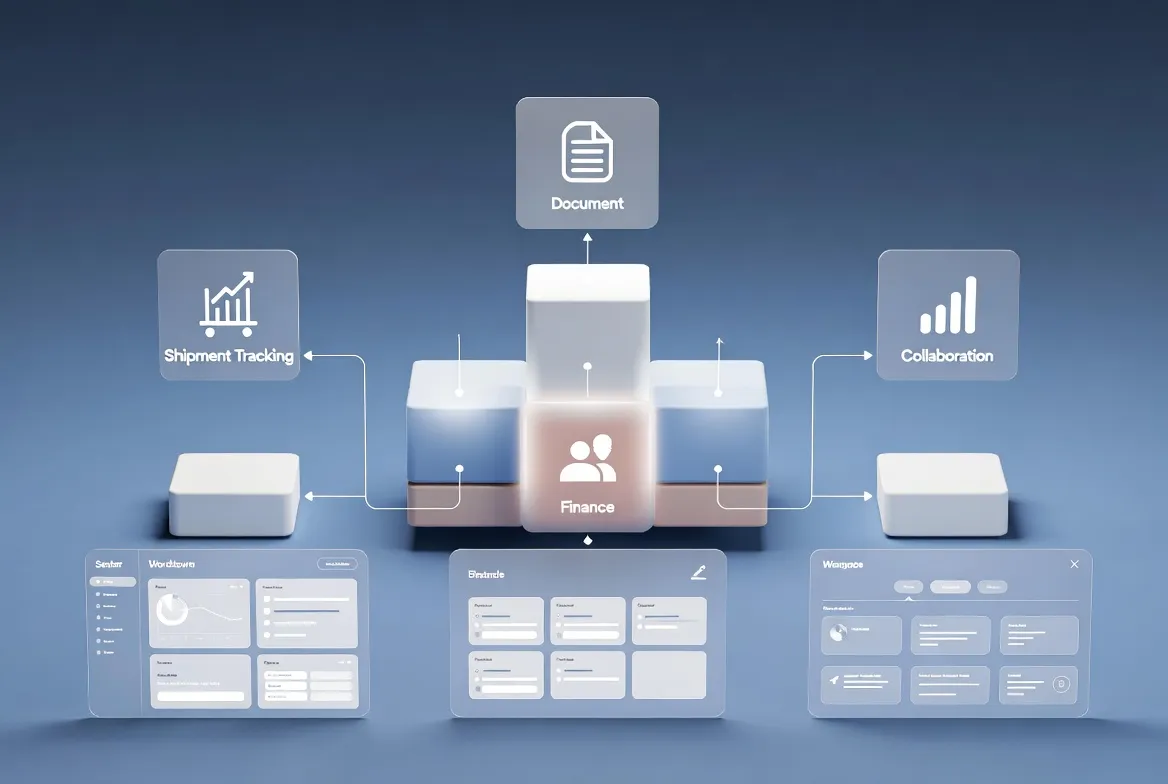 Key Features of Integrated Logistics Systems
Integrated logistics systems are designed to connect multiple logistics functions—such as order management, transportation, warehousing, tracking, and finance—into a single unified platform. The key features of these systems include real-time data synchronization, end-to-end visibility, multi-role collaboration, workflow automation, and centralized data management.
Key Features of Integrated Logistics Systems
Integrated logistics systems are designed to connect multiple logistics functions—such as order management, transportation, warehousing, tracking, and finance—into a single unified platform. The key features of these systems include real-time data synchronization, end-to-end visibility, multi-role collaboration, workflow automation, and centralized data management.
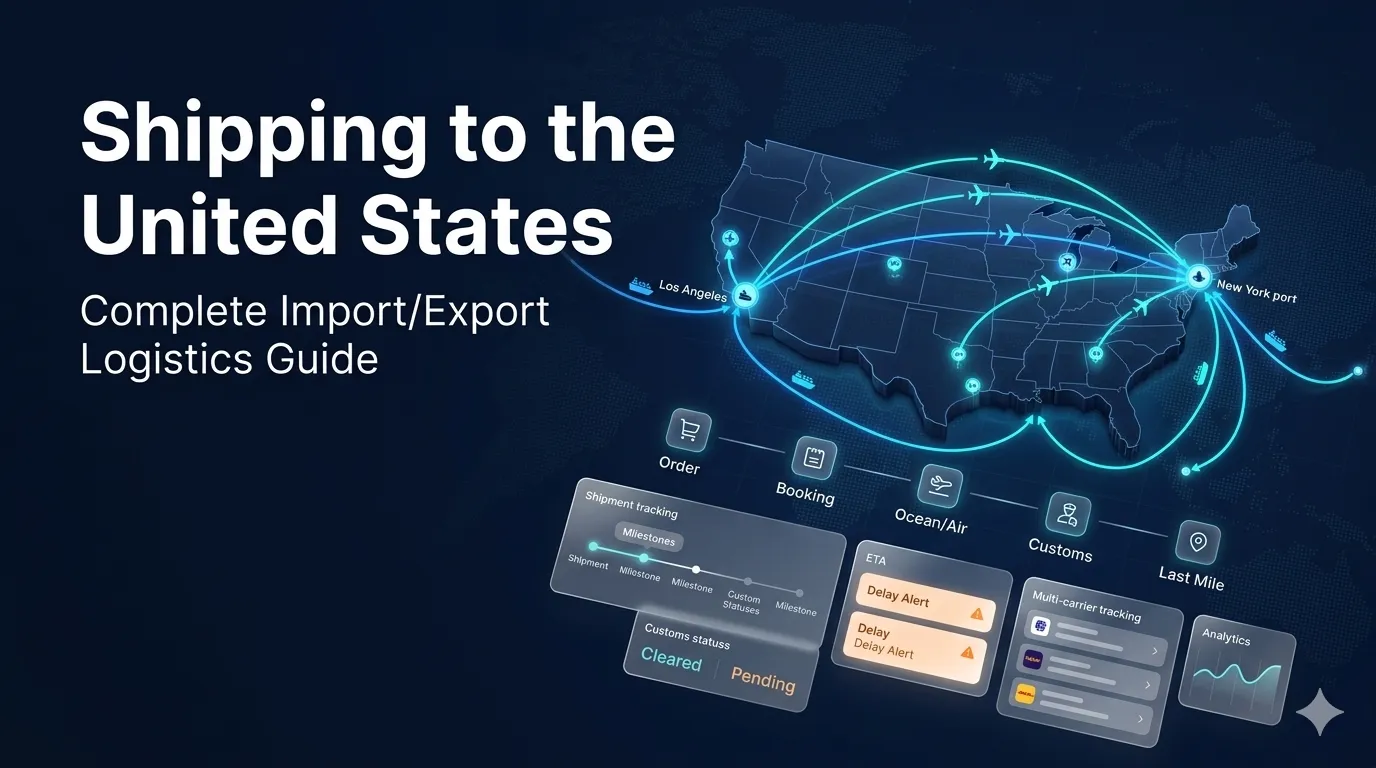 Shipping to the United States: Complete Import/Export Logistics Guide
Shipping to the USA involves a structured process of transporting goods into or out of the United States while complying with customs regulations, documentation requirements, and logistics coordination. As one of the world’s largest import markets, shipping to USA requires careful planning across customs compliance, carrier selection, and real-time shipment visibility.
Shipping to the United States: Complete Import/Export Logistics Guide
Shipping to the USA involves a structured process of transporting goods into or out of the United States while complying with customs regulations, documentation requirements, and logistics coordination. As one of the world’s largest import markets, shipping to USA requires careful planning across customs compliance, carrier selection, and real-time shipment visibility.
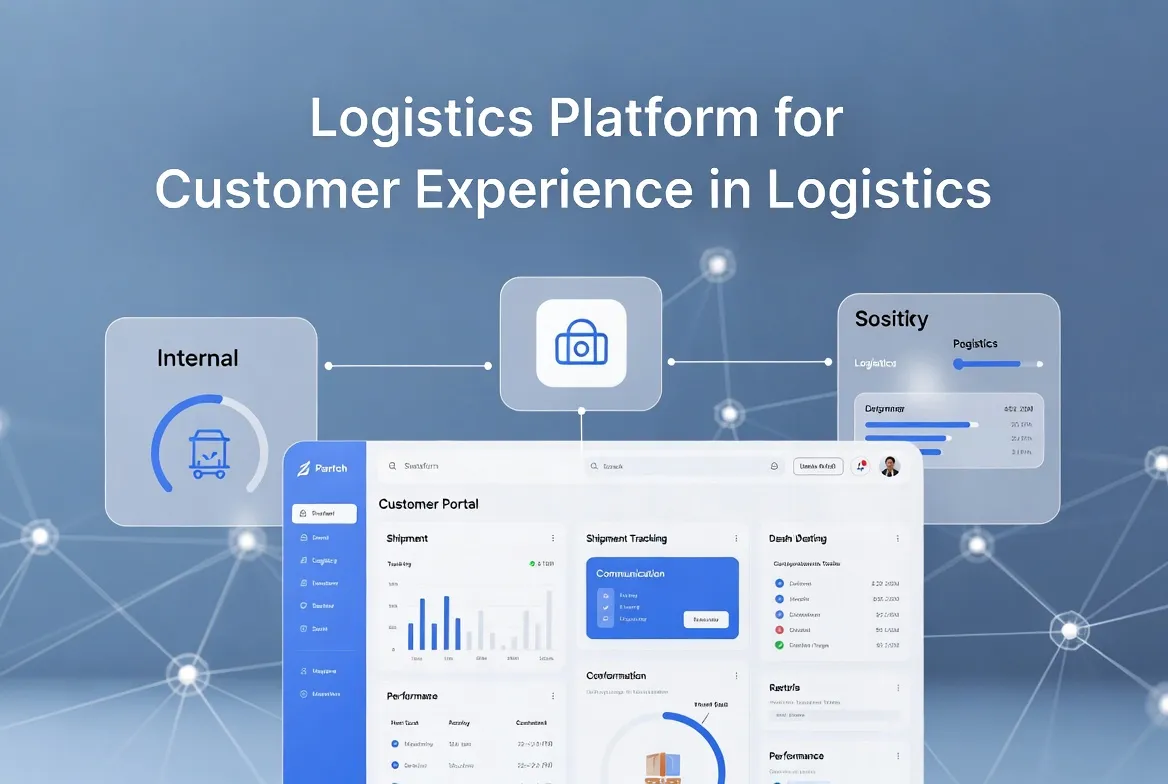 Logistics Platform for Customer Experience in Logistics
A logistics platform for customer experience is a digital system designed to improve how customers interact with logistics providers by offering real-time visibility, self-service capabilities, and seamless communication. It matters because customer expectations in logistics have shifted toward transparency, speed, and convenience—similar to experiences in e-commerce and digital services.
Logistics Platform for Customer Experience in Logistics
A logistics platform for customer experience is a digital system designed to improve how customers interact with logistics providers by offering real-time visibility, self-service capabilities, and seamless communication. It matters because customer expectations in logistics have shifted toward transparency, speed, and convenience—similar to experiences in e-commerce and digital services.
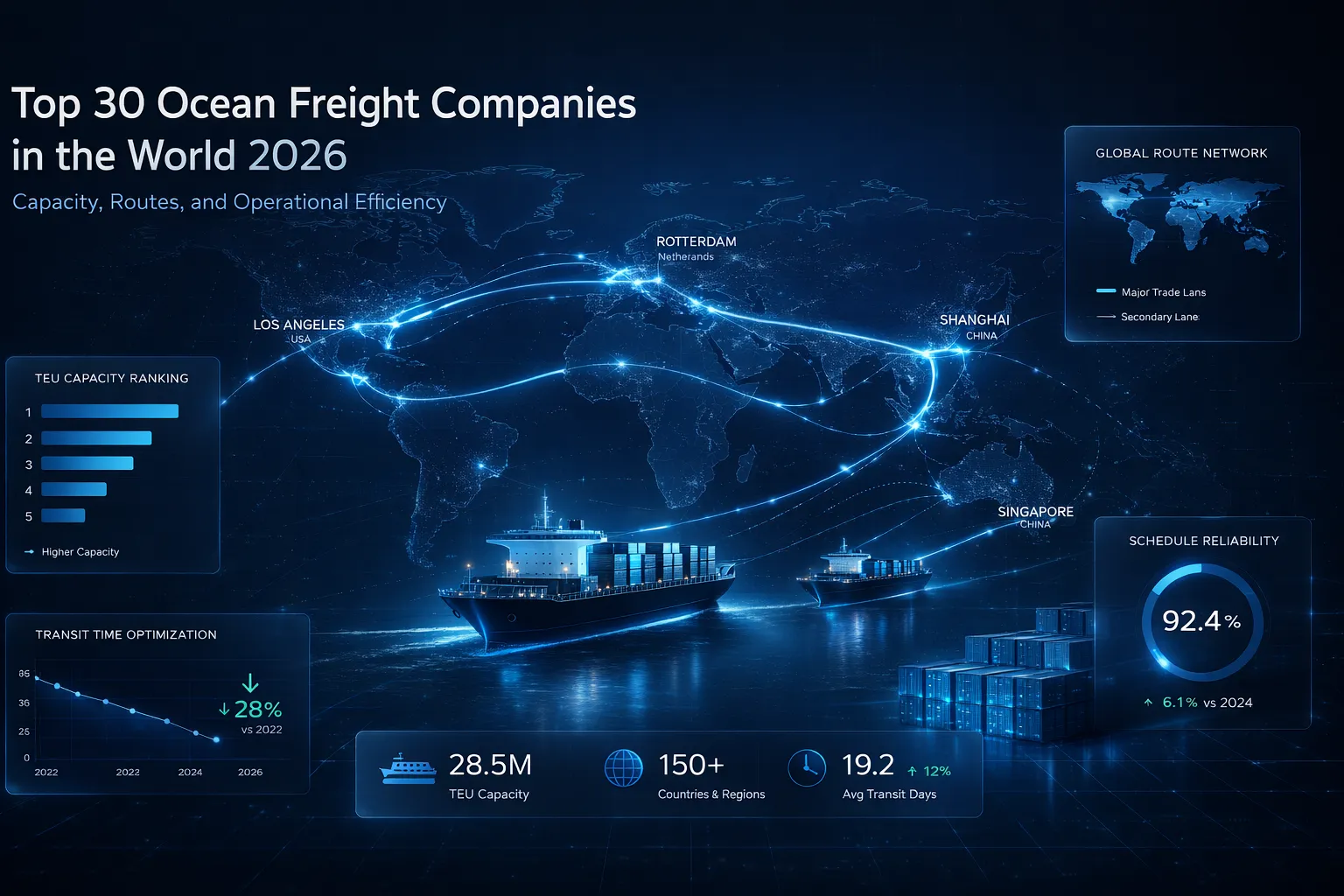 Top 30 Ocean Freight Companies in the World 2026: Capacity, Routes, and Operational Efficiency
The top ocean freight companies 2026 are defined not only by fleet size and global routes, but also by their ability to operate efficiently in an increasingly complex shipping environment. As global trade volumes fluctuate and supply chains become more dynamic, operational efficiency and digital coordination are now critical factors in determining industry leadership.
Top 30 Ocean Freight Companies in the World 2026: Capacity, Routes, and Operational Efficiency
The top ocean freight companies 2026 are defined not only by fleet size and global routes, but also by their ability to operate efficiently in an increasingly complex shipping environment. As global trade volumes fluctuate and supply chains become more dynamic, operational efficiency and digital coordination are now critical factors in determining industry leadership.
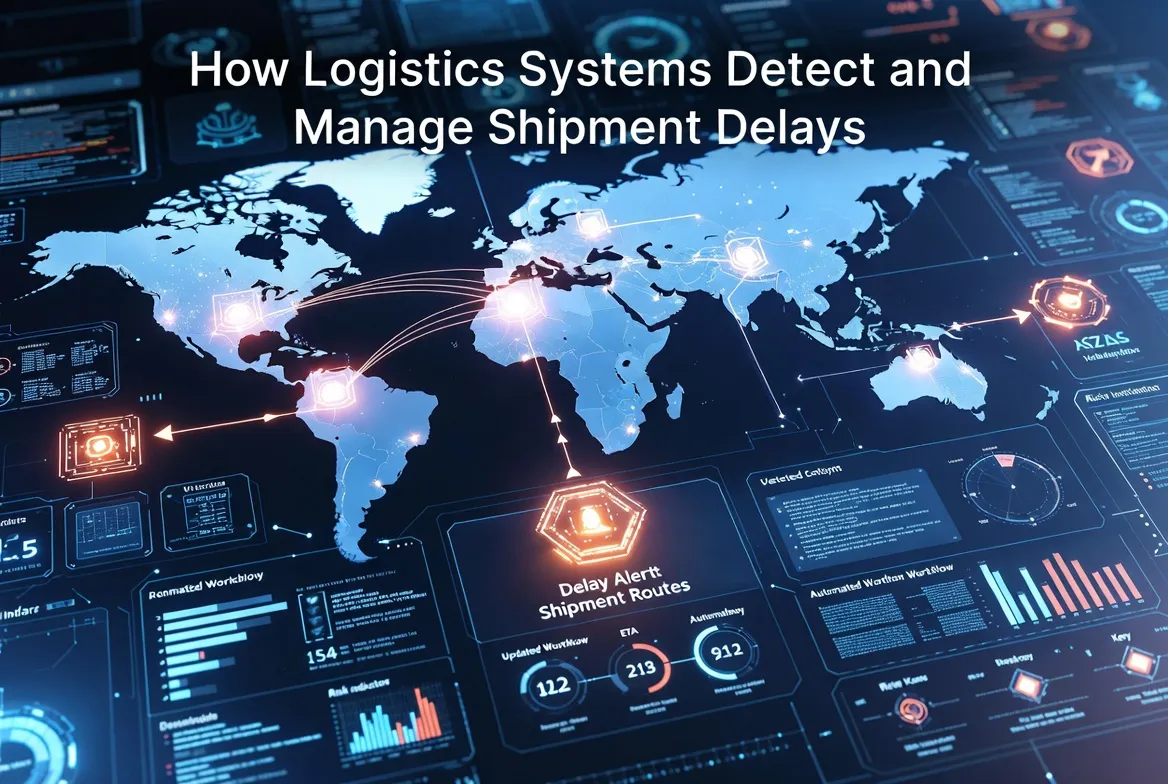 How Logistics Systems Detect and Manage Shipment Delays
Logistics systems detect and manage shipment delays by continuously monitoring shipment milestones, comparing actual progress against planned schedules, and automatically identifying deviations. Once a delay is detected, the system triggers alerts, assigns tasks, and initiates workflows to resolve the issue.
How Logistics Systems Detect and Manage Shipment Delays
Logistics systems detect and manage shipment delays by continuously monitoring shipment milestones, comparing actual progress against planned schedules, and automatically identifying deviations. Once a delay is detected, the system triggers alerts, assigns tasks, and initiates workflows to resolve the issue.
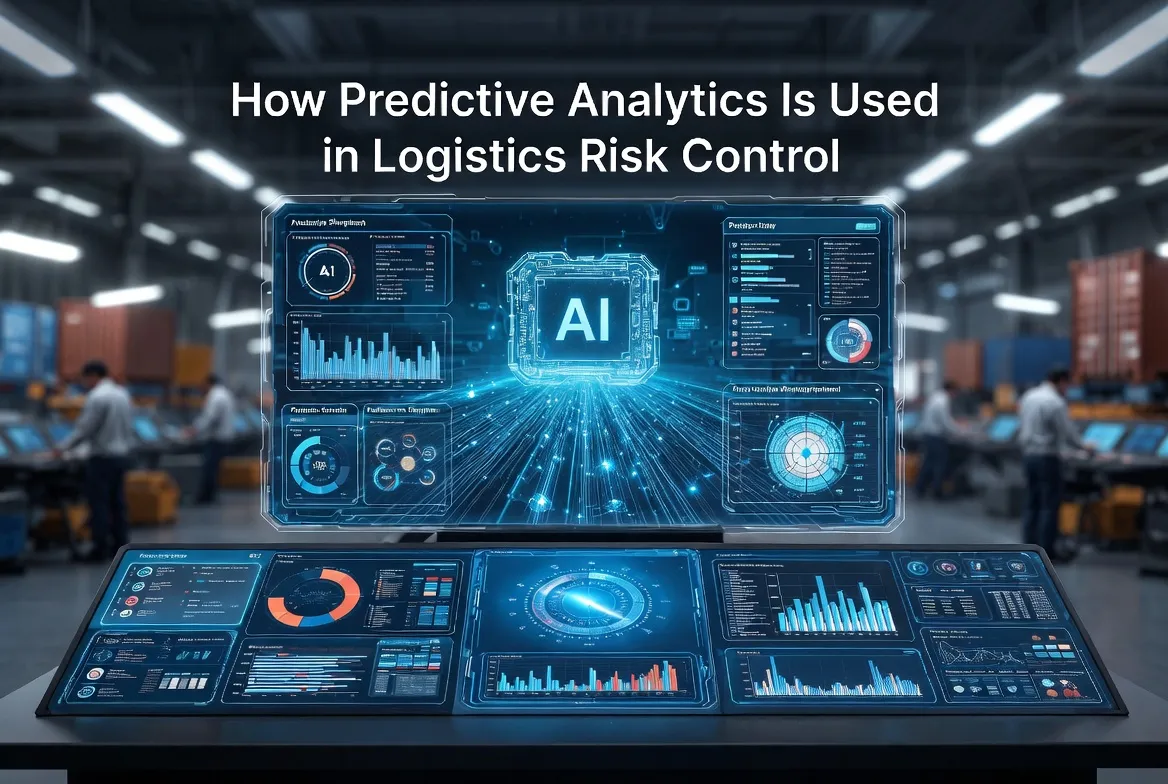 How Predictive Analytics Is Used in Logistics Risk Control
Predictive analytics is used in logistics risk control to anticipate potential disruptions—such as shipment delays, port congestion, or customs issues—before they occur. It works by analyzing historical data, real-time inputs, and patterns to forecast risks and enable proactive decision-making.
How Predictive Analytics Is Used in Logistics Risk Control
Predictive analytics is used in logistics risk control to anticipate potential disruptions—such as shipment delays, port congestion, or customs issues—before they occur. It works by analyzing historical data, real-time inputs, and patterns to forecast risks and enable proactive decision-making.
.webp "What Is Logistics Rate Management and Why It Matters") What Is Logistics Rate Management and Why It Matters
Logistics rate management is the process of organizing, maintaining, and applying freight pricing data—including base rates, surcharges, and pricing rules—within logistics operations. It matters because accurate and structured rate management enables logistics companies to quote correctly, control costs, and maintain profitability in increasingly complex global supply chains.
What Is Logistics Rate Management and Why It Matters
Logistics rate management is the process of organizing, maintaining, and applying freight pricing data—including base rates, surcharges, and pricing rules—within logistics operations. It matters because accurate and structured rate management enables logistics companies to quote correctly, control costs, and maintain profitability in increasingly complex global supply chains.
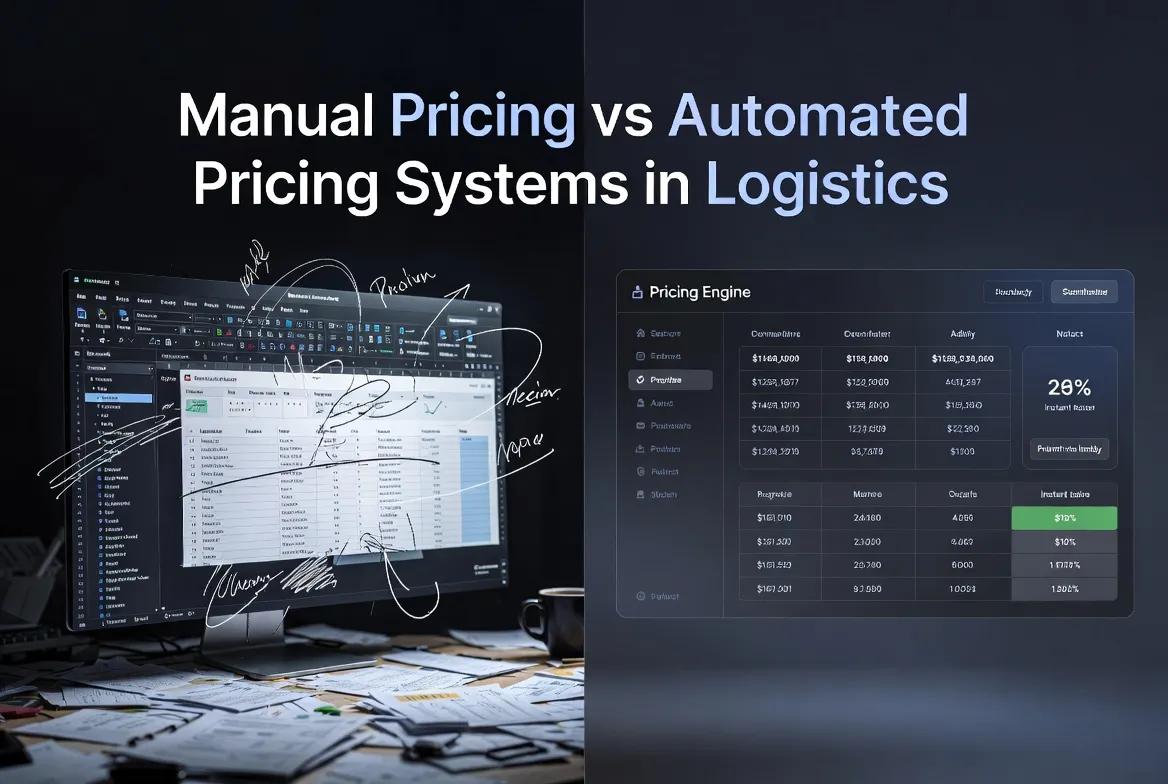 Manual Pricing vs Automated Pricing Systems in Logistics
Manual pricing and automated pricing systems in logistics represent two fundamentally different approaches to managing freight rates and cost calculations. Manual pricing relies on human input and spreadsheets, while automated pricing systems use rule-based logic and centralized data to generate accurate pricing in real time. As logistics operations grow more complex, automated pricing has become essential for improving efficiency, accuracy, and scalability.
Manual Pricing vs Automated Pricing Systems in Logistics
Manual pricing and automated pricing systems in logistics represent two fundamentally different approaches to managing freight rates and cost calculations. Manual pricing relies on human input and spreadsheets, while automated pricing systems use rule-based logic and centralized data to generate accurate pricing in real time. As logistics operations grow more complex, automated pricing has become essential for improving efficiency, accuracy, and scalability.
 Where Is Everyone? A Special Day at WallTech
On March 27, something unusual happened at WallTech. Offices that are usually filled with discussions, coordination calls, and fast-paced operations suddenly felt… quieter. Where did everyone go?
Where Is Everyone? A Special Day at WallTech
On March 27, something unusual happened at WallTech. Offices that are usually filled with discussions, coordination calls, and fast-paced operations suddenly felt… quieter. Where did everyone go?
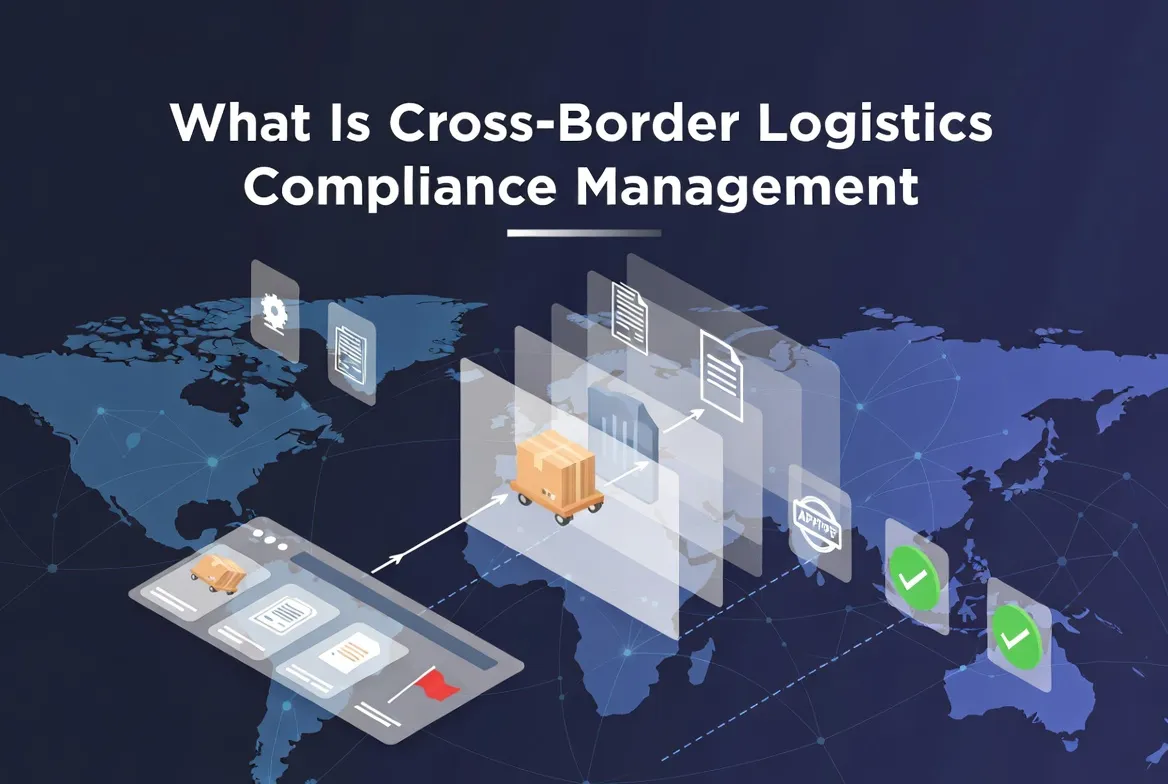 What Is Cross-Border Logistics Compliance Management
Cross-border logistics compliance management refers to the processes and systems used to ensure that international shipments adhere to all applicable regulations, customs requirements, trade laws, and documentation standards across different countries.
What Is Cross-Border Logistics Compliance Management
Cross-border logistics compliance management refers to the processes and systems used to ensure that international shipments adhere to all applicable regulations, customs requirements, trade laws, and documentation standards across different countries.