Email Us
How Digital Systems Improve Logistics Platform Architecture
As logistics operations become increasingly complex, the architecture of logistics platforms plays a critical role in determining system performance, scalability, and adaptability. Traditional monolithic systems often struggle to handle the dynamic demands of modern supply chains.
Mar 24,2026
Read 203 Times
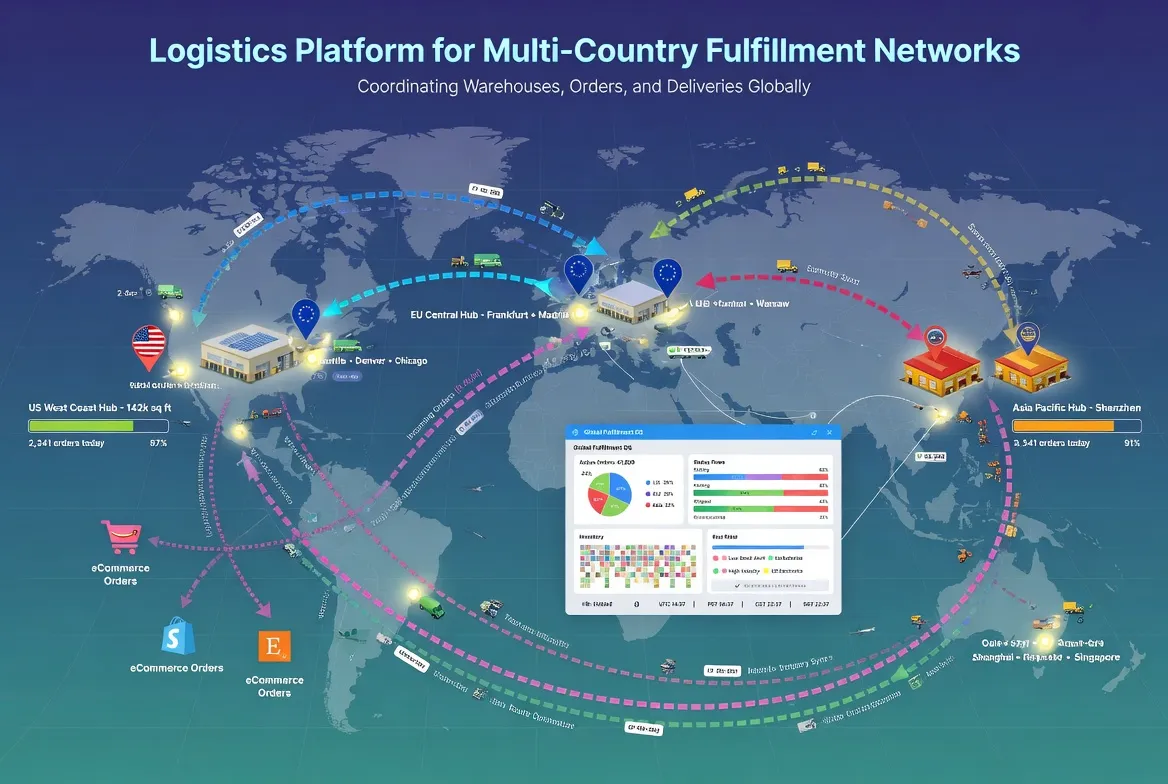
Key Capabilities of Global Logistics Technology Networks Solutions
Global logistics operations rely on complex networks that span multiple countries, transportation modes, and service providers. Managing these networks efficiently requires more than isolated systems—it requires interconnected technology networks that can coordinate data, workflows, and stakeholders at scale.
Mar 24,2026
Read 185 Times
Why Companies Use Logistics Technology Ecosystems
Modern logistics operations are no longer managed by a single system. Instead, they rely on a network of interconnected platforms, tools, and services working together to support complex supply chain activities.
Mar 24,2026
Read 177 Times
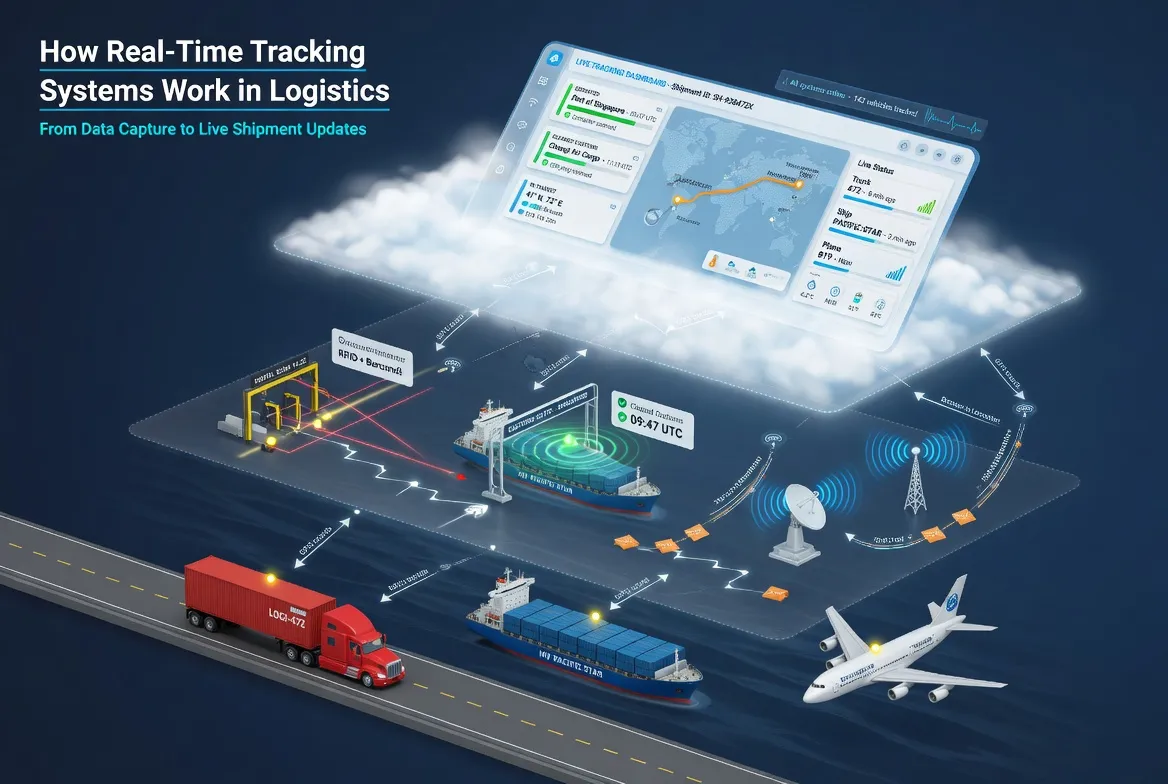
How Modern Platforms Enable Digital Freight Infrastructure
Freight operations today rely on more than physical transportation networks. Behind every shipment lies a digital layer that connects systems, synchronizes data, and coordinates workflows across global supply chains.
Mar 24,2026
Read 240 Times
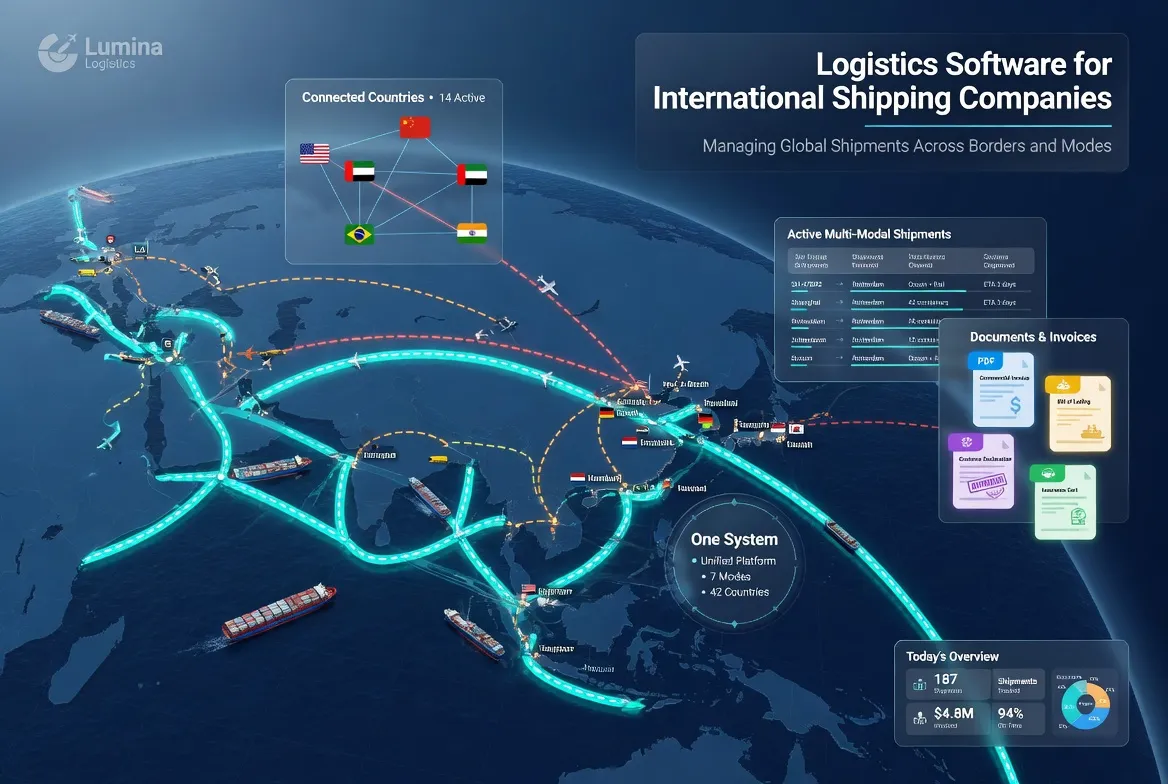
How Freight Digital Platforms Support Global Supply Chains
Global supply chains are more interconnected than ever. Goods move across continents through multiple transportation modes, involving a wide network of suppliers, carriers, warehouses, and service providers.
Mar 24,2026
Read 201 Times
Best Practices for Managing Supply Chain Digital Infrastructure
As supply chains become increasingly global and data-driven, managing digital infrastructure has become a strategic priority for logistics companies. Digital infrastructure is no longer just a supporting function—it is the backbone that enables operational efficiency, real-time visibility, and scalable growth.
Mar 24,2026
Read 187 Times
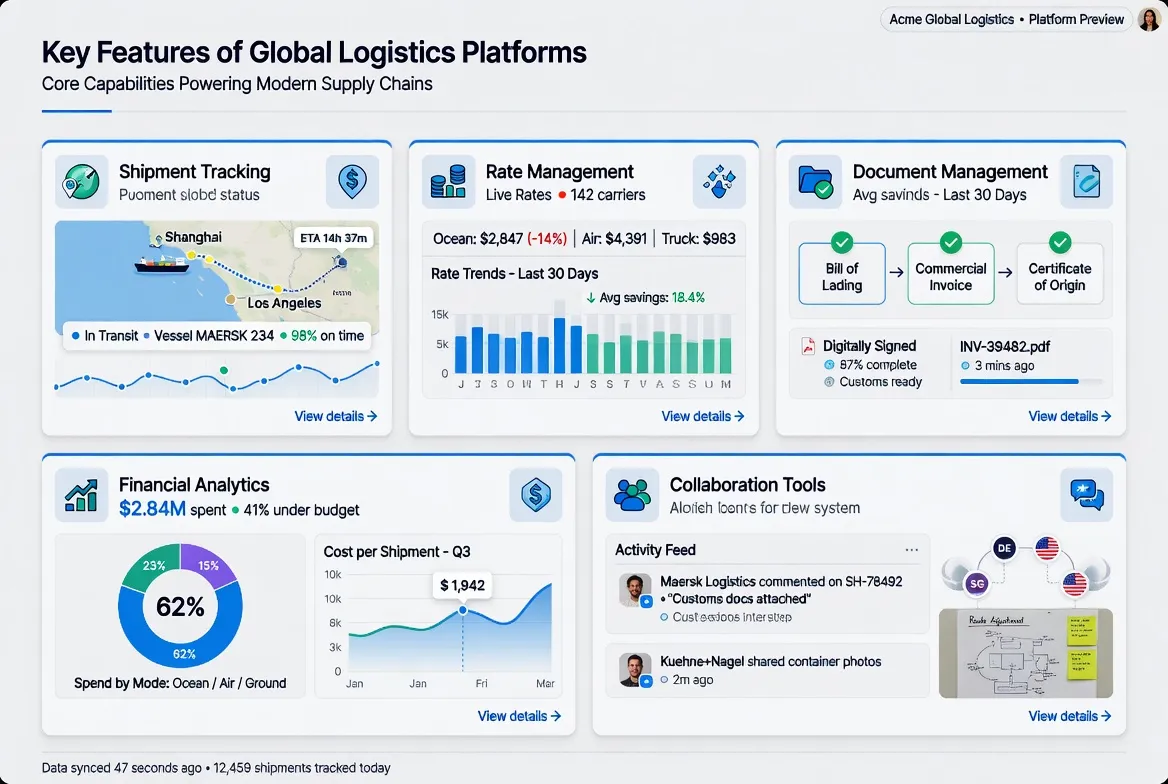
Key Features of Logistics Technology Platforms
Logistics technology platforms have become essential tools for managing modern supply chains. As logistics operations grow more complex—spanning multiple regions, transportation modes, and stakeholders—companies require systems that can centralize operations, automate workflows, and provide real-time visibility.
Mar 24,2026
Read 199 Times
Top 50 Global Freight Forwarders Ranking 2026: Market Share, Capacity, and Digital Capabilities
The global freight forwarders ranking 2026 reflects how logistics companies perform across key dimensions such as market share, operational capacity, network coverage, and increasingly, digital capabilities. As global trade becomes more complex, rankings are no longer determined solely by volume, but also by how effectively companies manage data, visibility, and cross-border coordination.
Mar 24,2026
Read 577 Times
How Digital Logistics Infrastructure Improves Logistics Operations
As global logistics networks become more interconnected, the traditional approach of managing operations through isolated systems and manual coordination is no longer effective. Logistics companies now require a unified digital foundation to support real-time operations, multi-party collaboration, and data-driven decision-making.
Mar 24,2026
Read 202 Times
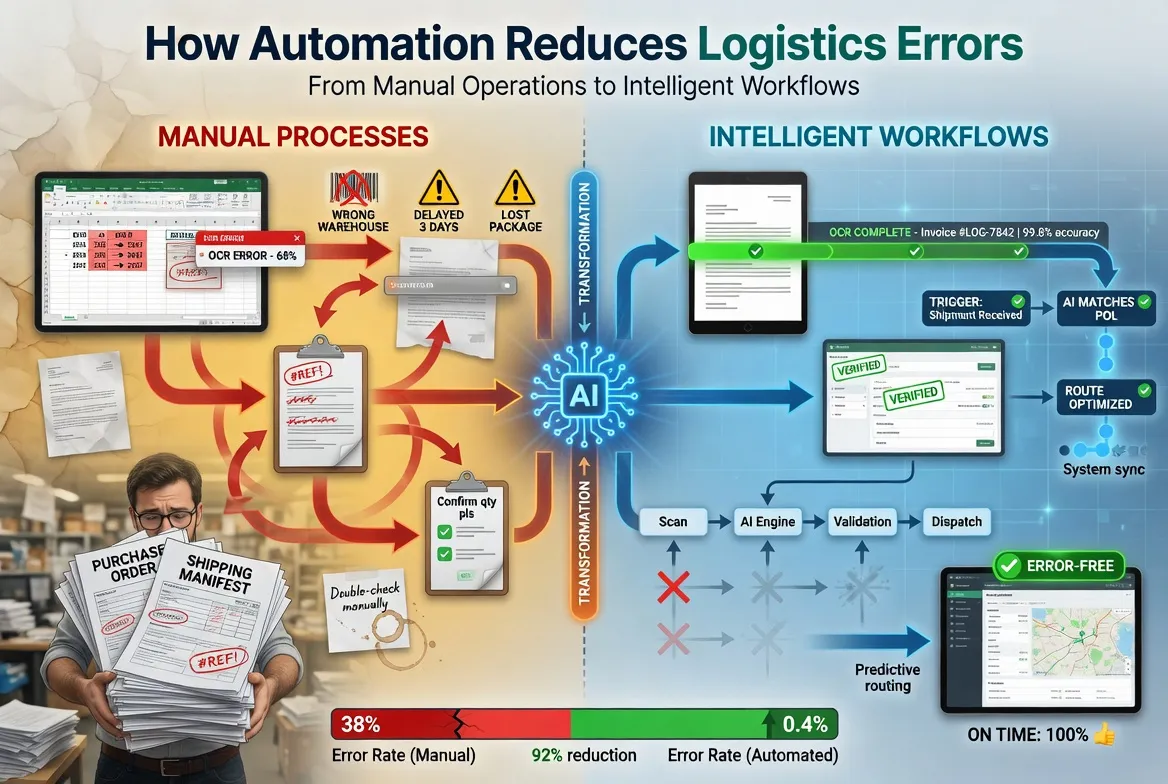
The Role of Logistics Process Automation in Modern Logistics
Modern logistics operations are defined by complexity. Shipments move across multiple countries, involve various transportation modes, and require coordination between numerous stakeholders, including freight forwarders, carriers, warehouses, and customs authorities.
Mar 24,2026
Read 203 Times
Headquarter: 9th Floor, Building A, Zhongyin Plaza, Zhoujiazui Road, Hongkou District, Shanghai
South China Office: 30th Floor, Tower T2, Runhong Building, 75 Meiyuan Road, Sungang, Luohu District, Shenzhen, China
Beijing Office: Room 623, Building B, CIFI Air Harbor Center, Shunyi District, Beijing, China
Contact Us
Headquarter: 9th Floor, Building A, Zhongyin Plaza, Zhoujiazui Road, Hongkou District, Shanghai
etowermkt@walltechsystem.cn 400-665-9211